Before “The Good Ole Days” Begin
Rami Dillard reflects on a new transition for starting high school. Although nervous about a new season, she is hopeful that it will be one of the best times of her life.
Rami Dillard reflects on a new transition for starting high school. Although nervous about a new season, she is hopeful that it will be one of the best times of her life.
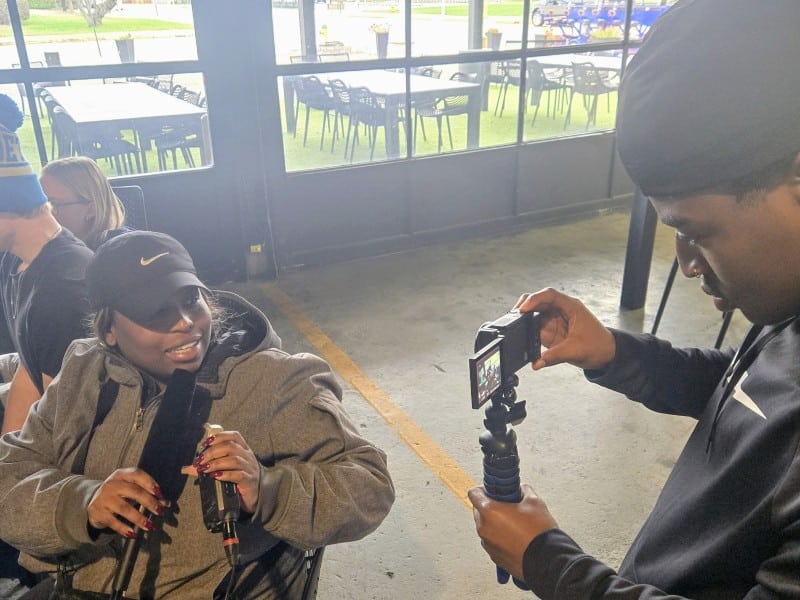
In this special Youth Voices edition, Rasheedah Ajibade reflects on what it truly means to invest in young people—not just as future leaders, but as vital voices in our communities today.

As America marks 250 years, this editorial asks what it means to celebrate a nation’s promise while still confronting the unfinished work of equality, history, and opportunity—and challenges us to decide what kind of future we will build next.

A reflection on youth violence, presence, and why healing may begin shoulder to shoulder — not toe to toe.

From the shores of Omaha Beach to today, faith has carried people through their hardest moments. But after the sudden dismissal of the Army’s Chief of Chaplains, the question isn’t just what happened—it’s what we, as a community, are called to do next.
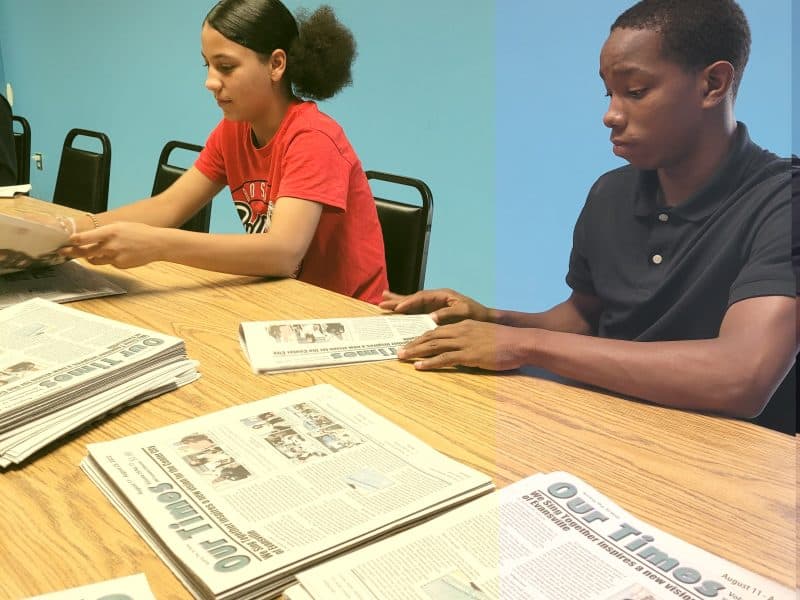
In South Bend, IN a student used racial slurs on a live sports broadcast. We should be concerned. Giving a young person a microphone, a camera, or a platform without grounding them in values can do more harm than good.

Burger Week is an annual Owensboro event where local restaurants compete to prepare the tastiest, most original hamburger to be crowned Burger Week Champion.

Henderson County Public Library’s Night of Excellence was an evening dedicated to celebrating the achievements and contributions of outstanding African American Hendersonians, both past and present.
Rev. Jesse Jackson Sr., who shared ancestry with the Cherokees was actively involved in tribal communities as an advocate for Indigenous rights. He is remembered and honored for his presence, interactions, and strong support of every issue American Indians stood for and fought for.
MIT released a study last year that found that AI can already replace 11.7% of the US labor market. The study utilized a labor simulation tool called the Iceberg Index, which models 151 million US workers and measures how AI overlaps with skills in each occupation.