
We are teaching more than journalism-whether we mean to or not
In South Bend, IN a student used racial slurs on a live sports broadcast. We should be concerned. Giving a young person a microphone, a camera, or a platform without grounding them in values can do more harm than good.
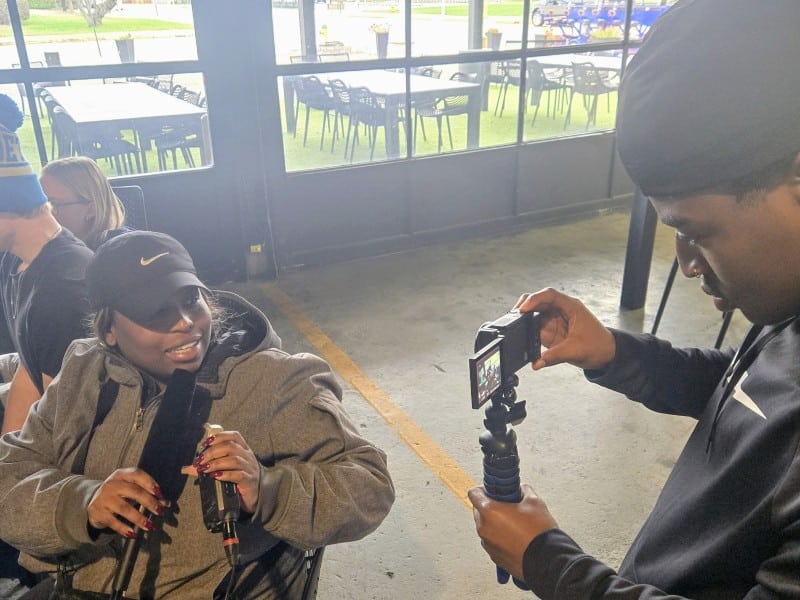
Last month, Our Times Newspaper won first place in a pitch competition through the LMA Journalism Lab for our Youth Media Lab project. This initiative offers youth ages 16 to 24 opportunities for change, using journalism as a tool. This work builds on our belief of creating pathways for future generations, especially for African Americans.
Since 2022, young people have contributed to the newsroom doing everything from helping with distribution to conducting interviews and writing stories. I have always been passionate about working with young people. But let’s be clear, this work comes with responsibility. We are not just teaching writing, reporting, and critical thinking. We are shaping how young people see the world and how they treat others in it.
That is why the recent incident in South Bend, Indiana, where a student at Penn High School used racial slurs during a live sports broadcast, should trouble all of us. Yes, it was offensive. Yes, it was unacceptable. But more importantly, it was learned behavior. No young person wakes up one day and decides, out of nowhere, to dehumanize someone else publicly. That kind of behavior is shaped over time by what they see, what they hear, what is tolerated, and what goes unchecked.
Young people are always watching. They are watching how adults speak. They are watching what leaders excuse. They are watching when institutions stay silent. And silence teaches. When racism is met with a slap on the wrist and accountability goes by the wayside it sends a message that this isn’t serious. When harmful behavior is debated instead of condemned, it tells young people that respect is optional. That should concern every single one of us.
And as we prepare to launch the Our Times Youth Media Lab here in our own community, this moment is a reminder that access to media platforms must be matched with responsibility. Giving a young person a microphone, a camera, or a platform without grounding them in values can do more harm than good.
At Our Times, we are committed to doing both. Yes, we will teach young people how to tell stories, use a camera, and ask meaningful questions. But we will also teach them the values that we uphold: respect, integrity, cultural competence, and accountability. Because journalism without values is dangerous. And skill without character is not an asset, but a liability.
If we fail to teach our children right from wrong, if we fail to model dignity and respect, then the future will not reflect the progress we claim to want. The next generation is watching. The real question is: what are we teaching them?
Author

Related Articles
Investing in the Next Generation
In this special Youth Voices edition, Rasheedah Ajibade reflects on what it truly means to invest in young people—not just as future leaders, but as vital voices in our communities today.

America at 250: What will we build next?
As America marks 250 years, this editorial asks what it means to celebrate a nation’s promise while still confronting the unfinished work of equality, history, and opportunity—and challenges us to decide what kind of future we will build next.