The Village We’ve Become
Five years ago, Mental Health Matters set out to break the silence around mental health. Today, “The Village We’ve Become” reveals a community transformed—one where grief, recovery, youth voices, and shared courage converge to prove that healing does not happen alone.
Mental Health Matters remains grounded in community, reaching for new heights
“We all have minds, and the conversation about mental health needs to shift from ‘some people are broken’ to ‘all minds need care, support, and maintenance.’ We are here to proclaim that there is nothing wrong with seeking community outside of yourself.”
With those words, Mental Health Matters (MHM) founding member Rev. Joann Hunter set the tone for The Village We’ve Become, the coalition’s fifth annual spring community forum held May 30.

Rev. Hunter spoke to the power of community in supporting mental wellness and emotional wellbeing. “When we are knocked down by the throws of life, even if it hurts, we can help each other up,” she said. “That’s the community, that’s the Village,” or, in her own terms, the EvansVillage indeed.
The theme, The Village We’ve Become, reflects the evolution of Mental Health Matters, which from its inception has focused on breaking stigmas surrounding mental health and connecting people to community-based and professional resources, particularly in service of historically excluded communities.
Over the past five years, the grassroots coalition has intentionally expanded its circle and amplified its voices, with consistent participation from Center City congregations such as Memorial Baptist Church and youth advocacy organizations including Youth First and Greater Evansville Youth.
MHM’s work has also been strengthened by growing collaborations with Evansville’s New American communities. The coalition’s commitment to inclusion was reflected through the participation of team member Abraham Brown, a community leader with Centro Latino, who served as a panelist addressing grief. Gelina Mascoe, executive director of the Haitian Center of Evansville and an MHM team member, spoke on the work MHM shares with local Haitian congregations, emphasizing the importance of “meeting people where they’re at” and “letting people know they are not alone.”
The forum itself reflected the community MHM has built.
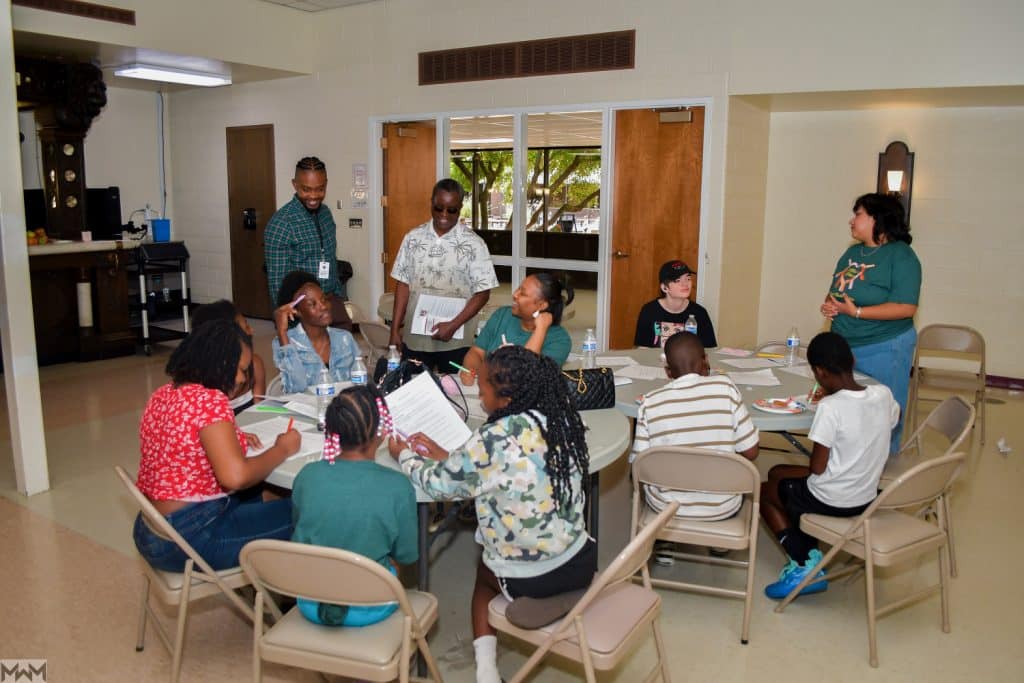
The day began with reflections from emcee Sabrina Cawthorne, a founding MHM member, on the organization’s development and growth. Participants then joined breakout sessions focused on grief and loss, addiction and recovery, and youth wellness priorities presented in young people’s own voices. The day concluded with MHM’s first-ever keynote address followed by a community town hall discussion.
The atmosphere throughout the event was family-friendly and collaborative. Each breakout session provided connections to resources while centering lived experiences. Powerful voices included moderators and core team members Cassandra Raine-Frances of LifeAfterLove, Patricia Watkins of Gaining Momentum, LaKeisha Maxwell of Pre-to-3, and psychiatric nurse practitioner Keidra Ellis, along with community leaders Rev. Rita Taylor, Rev. Melissa Morehead Moore, and Leadership Everyone’s Lynn Miller-Pease.
Youth voices also took center stage as participants shared their priorities and concerns with the broader community through a panel moderated by founding member AnaBella Celaya.
The Village We’ve Become also echoed and expanded upon the theme of 2024’s The City We Are Becoming forum, which coincided with Haitian Flag Day and highlighted the journeys that have brought Marshallese, Hispanic, Haitian, and other international communities to Evansville.
Companionship was fostered not only through conversation but also through breaking bread together. MHM continues its tradition of nourishing both body and mind. This year’s event featured local favorites and internationally inspired cuisine from La Campirana, local Haitian chef Michelange Adrien, Evansville favorite Dontae’s, and local pastry chef Jennifer Young.
For participant and life coach Charles Haygan, who provides mental health peer support through Checkin’ in With Charles, the diversity of voices was among the event’s greatest strengths.
“Representation matters, and being in a space where diverse voices, experiences, and perspectives were present made the event even more impactful,” Haygan said.
He also praised the depth of conversation throughout the day.
“What stood out most was the level of engagement,” he said. “The breakout sessions felt real, relatable, and centered around authentic conversations rather than just textbook information.”
Perhaps the most important voices were those of the approximately 65 to 70 community members who attended and took time to share their own experiences, concerns, and hopes for the future.
Participants identified a growing need for genuine human connection in an era increasingly shaped by social media and isolation. One community response emphasized the importance of “talking to each other as neighbors, in public spaces … getting back to having real connection with people.”
The youth panel offered its own memorable reminder: “There is always a kinder option in life, and it should always be chosen.”

The forum concluded with the event’s first keynote address, delivered by Dr. Trinisia Brooks, a founding member of MHM. Long before the coalition officially formed, Brooks helped create supportive spaces for local youth during the pandemic through founding coalition partner AndHowAreTheChildren.
Her keynote reflected on the coalition’s journey and the intentional choices that have shaped it.
“Five years of choosing to see, hear, and support one another in ways that, for many of us, did not exist before,” Brooks said.
She also reminded attendees of the purpose that has guided Mental Health Matters from the beginning.
“Mental Health Matters was built on a simple but powerful purpose—to confront the stigma around mental health and to create space for community dialogue, engagement, and problem-solving,” Brooks said. “And what makes this work so meaningful is that it has never just been about services—it has always been about people.”
That message echoed throughout the day.
As Gelina Mascoe noted, “I’m not afraid to talk about mental health in public.”
Her statement reflects the progress MHM and the broader community have made in reducing stigma and encouraging open conversations about mental health. While challenges remain, coalition members say the work continues.
As Charles Haygan observed, “Real change happens when people come together, share their stories, and create spaces where everyone feels seen and heard.”
For Mental Health Matters, The Village We’ve Become was both a celebration of how far the community has come and a reminder of the work still ahead.

Author
Related Articles
The Fit Generation
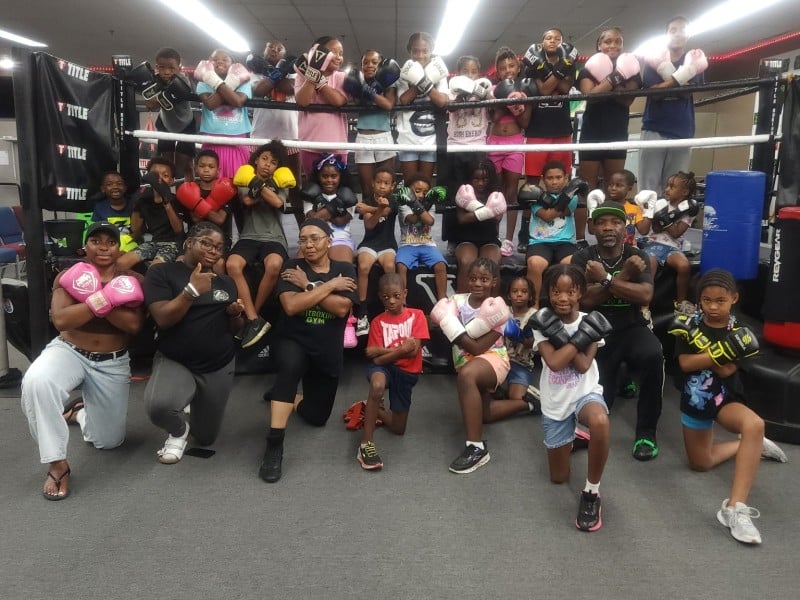
From learning to swim and building confidence to creating lifelong healthy habits, Memorial Fit Camp is helping shape a stronger, healthier generation—one day at a time.

Taking the Heat and Not Breaking from It
As extreme heat becomes more frequent and intense, its impact goes beyond physical health. This month, we explore how rising temperatures affect mental well-being, who is most at risk, and what individuals and communities can do to stay safer and more resilient.
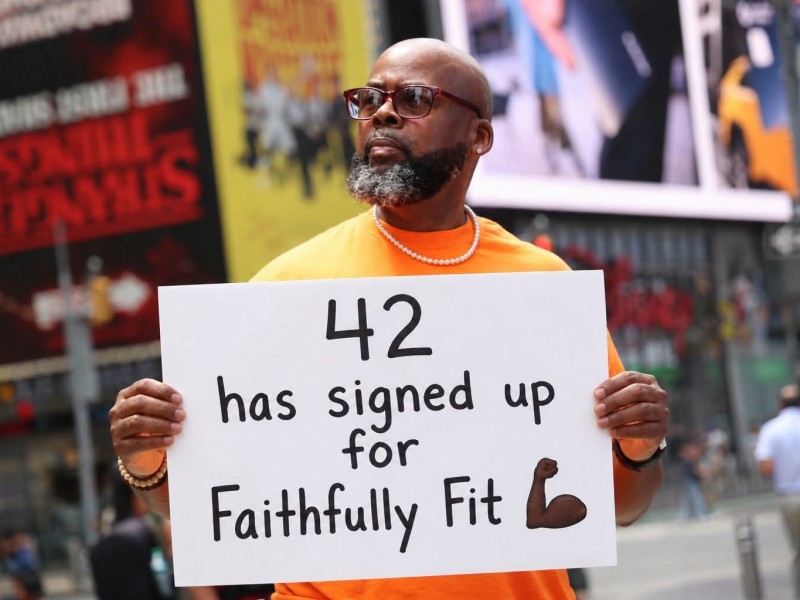
Faithfully Fit program to launch this summer at Memorial Baptist Church
Greg Dillard launched Faithfully Fit, a four-session health and wellness series intended to help participants gain the skills to improve their health and wellness. Memorial Baptist Church is the host and registration is required.