
You Already Bought the Meal—Now Here’s How to Stretch Those Holiday Dollars
The money you spent doesn’t have to stop working for you just because the holiday is over. With a little planning and a lot of creativity, the ingredients you still have on hand, and those Thanksgiving leftovers, can help stretch your food budget as we head into Christmas.

By Rasheedah Ajibade, AFC®
By the time you read this, Thanksgiving will have come and gone, but for many, the impact of the holiday spending will linger well into December. Between turkey, sides, and desserts, many families paid more for this year’s Thanksgiving meal than ever before.
But here’s some good news- the money you spent doesn’t have to stop working for you just because the holiday is over. With a little planning and a lot of creativity, the ingredients you still have on hand, and those Thanksgiving leftovers, can help stretch your food budget as we head into Christmas.
Here Is How You Can Do It:
- Take an Inventory & Plan Meals
Start by checking what you already have. If you are a visual person, lay out all your leftovers so you can easily see both the type and quantity. Next, go through your pantry and freezer to find reusable ingredients like flour or spices that you’ve previously bought. Plan 3-5 meals.
- Turn Leftovers into New Meals You Want to Eat
Leftovers don’t have to feel like repeats and is one of the smartest ways to cut grocery costs in December.
- Soup or Stew– Use your leftover bones from turkey or other meats to make broth, then add vegetables, rice, noodles, or even beans.
- Turkey Pot Pie-Try my easy recipe using leftover turkey, gravy, and vegetables with a simple pie crust, or a can of biscuits.
- Casseroles- Combining small portions of different leftover dishes into one casserole is an easy way to maximize what you have. Add a little cheese on top, and you’ve instantly elevated the whole dish.
3. Freeze It to Save Money Later
Freezing leftovers now helps your December grocery bill later—especially if you’re trying to cut down before Christmas. Make sure to label the freezer bags with the name and date. Items that you can safely freeze and reheat well:
- Turkey (shredded or cubed)
- Gravy
- Mashed potatoes
- Cooked vegetables
- Turkey broth
4.Reinvent Ingredients for the Next Holiday
Many Thanksgiving staples double as ingredients in Christmas or Kwanzaa meals.
Keep and reuse:
- Butter, spices, broth, canned goods
- Cornmeal or flour
- Greens or vegetables
Rather than thinking of the Thanksgiving meal as a one-day expense, start thinking of it as the first step in planning multiple meals. That way, you are stretching your dollars and reducing food waste. As prices continue to rise for food, housing, and healthcare, the ability to stretch what we already have becomes an essential budgeting skill. Thanksgiving dinner may be over, but the value of what you bought doesn’t have to be.
RECIPE
Quick & Budget-Friendly Turkey Pot Pie
You can make this dish entirely from Thanksgiving leftovers.
Ingredients
- 2 cups cooked turkey, shredded or chopped
- 1–2 cups leftover vegetables (green beans, carrots, corn, peas, etc.)
- 1 cup leftover gravy or 1 can cream of chicken soup
- 1 cup turkey or chicken broth (optional if you prefer a saucier filling)
- 1 pie crust (store-bought or leftover dough)
- Salt, pepper, and garlic/onion powder to taste
Instructions
- Preheat oven to 400°F.
- Mix the filling: In a bowl, combine turkey, vegetables, gravy (or soup), and seasonings. Add broth if needed for consistency.
- Assemble: Pour filling into a pie dish and cover with pie crust. Crimp the edges and cut 2–3 small slits on top to vent steam.
- Bake 25–30 minutes or until the crust is golden brown.
- Let it rest 10–15 minutes before slicing.
Budget Tip
Use leftover rolls or biscuits instead of pie crust for a topping — it’s cheaper, faster, and just as delicious.
Rasheedah Ajibade is an Accredited Financial Counselor (AFC) for the Association for Financial Counseling & Planning Education. She has a BA Business Administration with a Finance Concentration and has a passion for teaching personal finance. This article is for informational purposes only and is not intended to be used as personalized financial advice.
Author

Related Articles

Black Business Spotlight-Meet Jasmine Coit
As an act of faith, Jasmine Coit launched LIT University to provide people the power to grow, solve problems, and build deeper connections.
Black Business Spotlight: Twist of Magic Balloons OPC
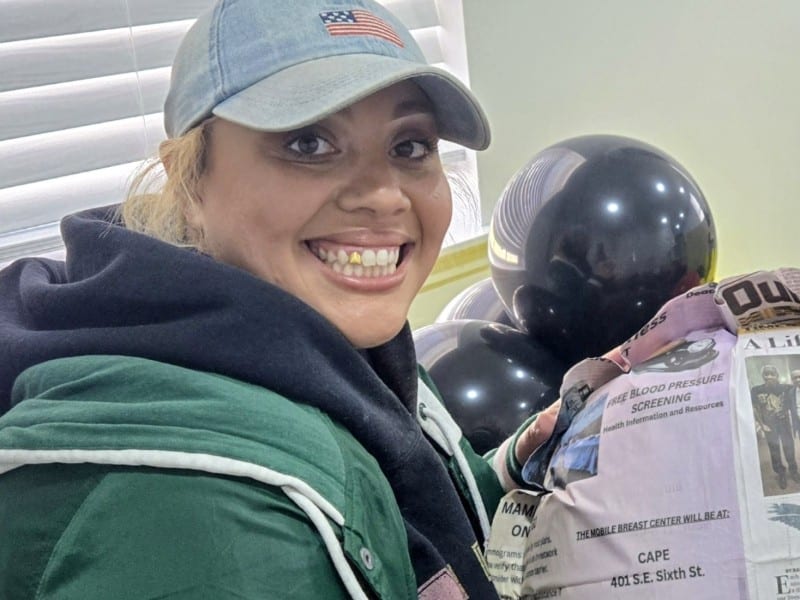
What started as a creative outlet for Taneasha Torain, quickly turned into a passion for bringing people’s vision to life. Twist of Magic Balloons OPC is a balloon décor business that specializes in creating custom balloon designs for celebrations and special events-transforming ordinary spaces into unforgettable experiences with color and creativity.

Black Business Spotlight
Doug Madison Jr. started Fast Removal Property Services, a business that offers rapid hauling of unwanted items for commercial and residential customers.