
From Negro Spirituals to Modern Music
Negro Spirituals have a major influence on today’s music. This article talks about the evolution of music.
Did you know that Negro Spirituals influence today’s music? The music world has evolved so much! For the enslaved, music was a way of life and how they communicated. But when slavery ended and communication became easier, music became more about expression and storytelling. What started as field hollers, work and sorrow songs, and spirituals led to blues, jazz, traditional and contemporary gospel, R&B, and hip hop. This article talks about the similarities between past and present-day music.
Music today uses some of the same forms as Negro spirituals: call and response, improvisation or freestyle and storytelling and emotion. First, Call & Response is used. Call and Response is when one person reads or sings a line and everyone sings it back. In music today, call and response are used at church-especially with gospel songs and when you go to concerts. The artist or lead singer will sing lines from a song and ask you to repeat the lines or finish the song.
Second, music today uses improvisations and freestyle. Improvisation & freestyle is a creative activity in music that is spontaneous and combines storytelling with instrumental technique. Hip Hop and Rap use improvisation and freestyle all the time. Sometimes with no music, just a beat, rappers will tell stories using freestyle about any topic they choose.
Storytelling & emotion is a part of all the music we listen to. Whether an artist is talking about their struggles, injustice, or their feelings, storytelling and emotion continues to be the main purpose for music and why it can bring us joy.
There are many examples of modern-day artists whose music connects to spirituals. Rod Wave, Kenderick Lamar & Cynthia Erivo are three artists that I like. Their genres of music and style have similarities to Negro Spirituals.
First, Rod Wave is a rapper who talks about his struggles of growing up in an unhealthy environment. His family struggled with money because his parents divorced and his father went to prison. He turned to the streets for money and sometimes got into trouble. His music relates to what the enslaved people sang about. They were also in an environment where they were separated from family members, did not have money, and dealt with a lot of bad treatment.
Another rapper, Kenderick Lamar made a song in 2015 called Alright. This song was inspired by his 2014 trip to South Africa where he saw people enduring very tough lives. The title of the song represents hope. This is like the title of a Soul song I like called Change is Gonna Come by Sam Cooke. It was written as a protest song and released in 1963. Hope is message in a lot of Negro Spirituals.
Cynthia Erivo is the singer who wrote the song Stand Up which is a tribute to Harriet Tubman. She made this song to honor the legacy of how Harriet Tubman helped free hundreds of slaves. The lyrics, rhythm, and strong beats are the same as Negro Spirituals.
Understanding musical roots matters. It allows us to have a deeper connection with the past, know where our music came from, and why it is important to everyday life. No matter how music may change, it will always be a way to express our feelings, talk about what is happening in the world, and be used to endure and find joy.
Related Articles

Rotary Club honors Sondra Matthews with Civic Award
Sondra Matthews has spent decades telling Evansville’s stories, preserving Black history, mentoring leaders, and building institutions that continue to shape the community. Now, the Rotary Club of Evansville has honored her with its 2026 Civic Award—recognizing a legacy rooted in faith, service, and generations of impact.
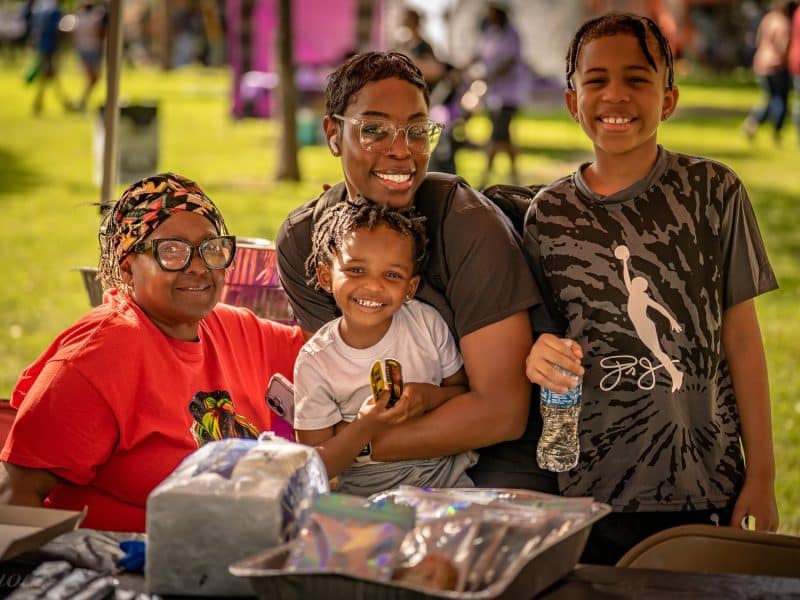
Freedom Remembered, Community Celebrated: Juneteenth Across the Tri-State
Across the Tri-State, Juneteenth brought neighbors together in a shared celebration of freedom, history, and community—reminding us that unity is one of freedom’s greatest legacies.
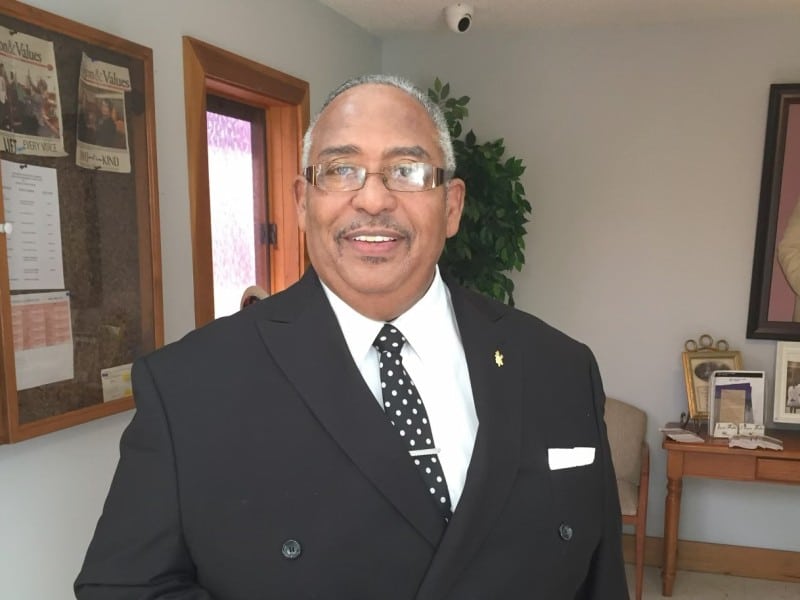
A good and faithful servant: Rev. Larry Lewis has put in his work
Reverend Larry Lewis has been behind the podium teaching and preaching the word of God for 55 years and still ‘is no ways tired.’ His retirement, 55th ministerial anniversary and final sermon is May 17, 2026, 10:45 AM at Zion Missionary Baptist Church, Owensboro, KY.