
Power in the Blood and the People – A Call to Action for the Sickle Cell Community

Thomasena Colbert, SCACURE Networks
Every two seconds, someone in America needs blood. For those living with Sickle Cell Disease (SCD), that need is constant and lifesaving. SCD is the most common inherited blood disorder in the U.S., affecting about 100,000 people nationwide and disproportionately impacting Black and African American families.
SCACURE Networks is Sickle Cell Anemia Cure Networks. SCACURE Networks, in partnership with the American Red Cross, Black Nurses of Evansville, Memorial Baptist Church, and NAACP Evansville Branch, is committed to standing alongside families affected by SCD or sickle cell anemia (SCA). SCACURE’s mission is to provide education, resources, and advocacy for those living with SCD, while also equipping medical providers with the knowledge needed to offer the best care. Together, we are working to ensure that families in our community never have to face this journey alone. SCACURE’s mission is to educate, support, and advocate for those with SCD, ensuring families receive the care and community they need.
What is Sickle Cell Disease?
Sickle Cell Disease (SCD) is an inherited condition that affects your red blood cells, which are responsible for carrying oxygen around your body. Because of a small change in the way these cells are made, they can become stiff and shaped like a crescent or “sickle,” rather than being round and flexible. This unusual shape makes it harder for them to move easily through your blood vessels, and sometimes they get stuck, blocking blood flow. These blockages cause serious pain and can also harm organs over time.
SCD happens when a person inherits the sickle cell gene from both parents. If you only get the gene from one parent, you carry the trait but don’t have the disease. If you get it from both, you develop SCD.
People with sickle cell anemia may experience chronic pain and also are at risk for stroke, lung disease, eye damage, frequent and serious infections, and kidney disease.
Sickle cell disease is most common in places where malaria used to be, like parts of Africa, the Middle East, South Asia, and the Mediterranean. People from these regions—and their descendants—are more likely to have it. This is because carrying the sickle cell trait once helped protect against malaria.
- 1 in 13 Black babies in the U.S. are born with the sickle cell trait (from one parent).
- 1 in 365 Black babies are born with sickle cell disease (from both parents).
There’s exciting research that could make treatment better in the future, but right now, people with sickle cell need regular care and support from family and a healthcare team.
How does SCD affect our community?
In Vanderburgh County, there are about 44 cases of sickle cell disease for every 100,000 people. The most affected are young people: those aged 10–19 make up 25% of cases, and children 0–9 account for 20%. While few deaths happen each year—less than 10—many patients still need emergency care, hospital visits, and blood transfusions.
For many with sickle cell disease, blood transfusions are essential, not just helpful. The best blood matches usually come from donors with similar backgrounds, so it’s especially important to have more diverse people donating blood to help meet this need.
*How YOU Can Help*
On Saturday, October 11, 2025, the Community Unity Blood Drive invites you to be part of the solution. Your blood donation matters!
● Sign up: Head to RedCrossBlood.org to book your spot.
● Donate often: You can give whole blood every 56 days.
● Bring friends or organize a drive: Schools, churches, and groups save lives together.
● Spread the word: Tell your community—every donor is needed.
● Go to www.redcrossblood.org, enter sponsor code MEMORIALBAPTIST, scan the QR code, or call 1-800-733-2767 to set up your donation.
Every pint you give is hope for families fighting sickle cell. Team up with SCACURE Networks and the Red Cross—your help keeps our community strong.
**Thomasena Colbert serves as the Director of Operations at SCACURE Networks Inc., where she oversees community programs, builds strategic partnerships, and manages day-to-day operations to support families affected by sickle cell disease. With an Associate of Science in General Studies and a concentration in Sociology, Thomasena combines her academic background with over seven years of project management experience to create meaningful impact. She is passionate about advocacy, education, and empowering families across Southern Indiana and beyond. Reference : (https://www.regenstrief.org/sickle-cell-dashboard/) Indiana Sickle Cell Disease Dashboard – Regenstrief Institute
Author

Related Articles

Alzheimer’s Disease: The Long Goodbye
Alzheimer’s disease affects millions of families, but conversations about memory loss, caregiving and brain health often begin too late. Part one of a new Our Times series explains the disease, its warning signs and why Black families face a disproportionate risk.
The Fit Generation
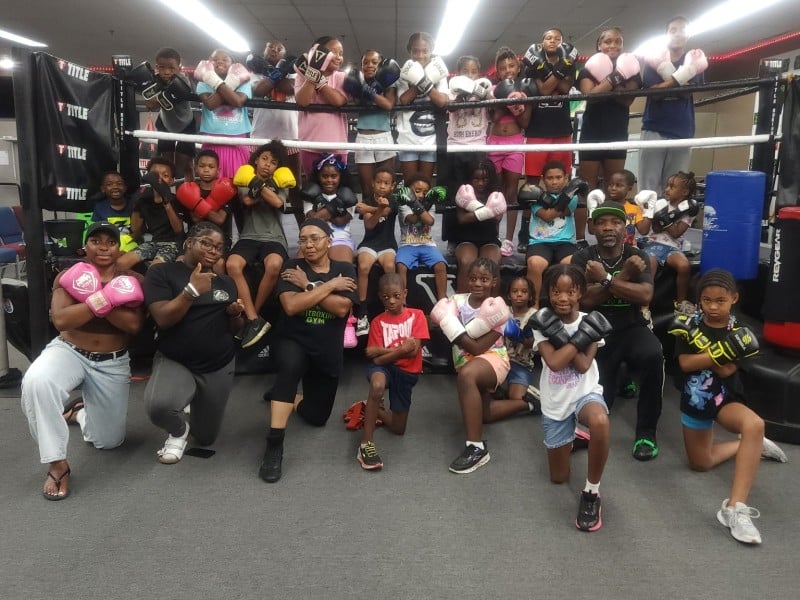
From learning to swim and building confidence to creating lifelong healthy habits, Memorial Fit Camp is helping shape a stronger, healthier generation—one day at a time.

Taking the Heat and Not Breaking from It
As extreme heat becomes more frequent and intense, its impact goes beyond physical health. This month, we explore how rising temperatures affect mental well-being, who is most at risk, and what individuals and communities can do to stay safer and more resilient.