Turning Grief into Action: Fighting for Black Children in a Broken Healthcare System
LaKeia Nard started Melanin Children Matter when her son King’Nazir died from a rare illness, transforming her grief into action.
In 2023, King’Nazir Gates, the son of Carl Gates and LaKeia Nard, died on Rare Disease Day at the age of seven after a prolonged medical journey marked by repeated misdiagnoses and systemic failure. Nard sought answers through multiple hospital visits, receiving three different diagnoses that did not align with what she knew was happening to her child. When she pushed back, questioning doctors and demanding further testing, she was labeled “combative” by healthcare providers — a characterization she says often follows Black parents who refuse to accept incomplete care.
Refusing to stop advocating, Nard did her own research and identified symptoms that pointed to a rare neurological condition. Her persistence led her to a healthcare provider outside the United States, and ultimately to whole genome sequencing. The results confirmed a devastating diagnosis: SPTLC2 pediatric ALS, a disease so rare that Nard was told her son was the first boy and only the second child ever identified with the condition. After traveling to the National Institutes of Health for confirmation, she was informed there was no treatment, no research pathway, and no available resources — only the certainty that her son would not survive.
When Nard discovered King’Nazir had such a rare illness, she and her family found there was very little support available. In response, she began to lay the groundwork for Melanin Children Matter, later incorporated in 2021 as a 501(c)(3) nonprofit focused on improving healthcare access and equity for medically underrepresented children. The organization centers early screening, culturally informed care and inclusive research practices — challenging systems that too often dismiss Black and Brown families navigating rare disease and neurodevelopmental diagnoses.
In an interview with Our Times, Nard shared how her lived experience motivates her every day, and what she hopes to provide for families navigating the healthcare system.
Q: Black history often honors resilience, but not always the cost of that resilience. What does it mean to do this work while carrying grief?
Resilience is often born from loss. I carry both strength and tenderness into this work. I couldn’t save my son, but I can help another family save theirs — or at least help them walk into a diagnosis with knowledge instead of confusion. I had no roadmap. No guidance.
I’m not motivated by prestige. I’m motivated by memory. Keeping his legacy alive is what drives me. The grief isn’t a weakness in this work. It’s clarity. It reminds me why urgency matters.
Q: Black communities have long experienced delayed diagnoses and dismissive care. From your experience, where do you see the biggest gaps today?
The biggest gaps are in early screenings, access to genetic testing, provider bias and follow-up care coordination.
My son was hospitalized six or seven times before whole genome sequencing was approved. By then, he had already been misdiagnosed multiple times. If that testing had been done earlier, so much time and uncertainty could have been avoided.
There’s also a serious gap in research representation. Rare diseases are already overlooked, and when you layer race on top of that, families are often left navigating complex conditions without adequate funding, data or culturally responsive care.
Q: Why is early screening and inclusive research so critical for Black and Brown children?
Because inclusion shapes the science. If we’re not represented in clinical trials or research data, then the guidelines and treatments being developed don’t fully reflect our communities.
My son’s mutation was spontaneous — it wasn’t something passed down. That means rare conditions can happen in any family. Participating in research isn’t just about helping someone else; it could be protecting your own future bloodline.
Early screening gives families time to prepare, time to plan, time to advocate and make informed decisions.
Q: Why is it important that caregivers and families are not just participants, but leaders in research efforts?
Caregivers live the data before researchers ever analyze it. We notice patterns. We track symptoms. We coordinate care with entire medical teams. That lived experience is expertise.
When families are leaders in research efforts, the work becomes more ethical, more transparent and more urgent. It also builds trust. Families are more likely to engage when they understand the language of research, know their rights and see people who look like them in leadership roles.
Q: The Family Research Ambassador Program is a major initiative. How does it reflect the idea that community knowledge matters?
The program is built on the belief that lived experience is expertise. We train caregivers in research language — ethics, HIPAA, clinical trials, biobanking and data collection — and we pay them for their time. Caregiving is work, and it deserves to be valued.
Participants don’t just sit and learn. They help lead future workshops and serve as bridges between institutions and the community. The goal is to close the knowledge gap, so families feel confident advocating for themselves and supporting others.
For Nard, this work is about advocacy and King’Nazir’s legacy-which she carries daily through the information and hope she provides to families facing challenging diagnoses and a complex healthcare industry. When asked her one message for families she simply said, “Trust yourself. We are the experts on our children. And no family should have to navigate these systems alone.”
How the Community Can Help
Community support is essential to sustaining and expanding this work. Individuals can help by:
- Volunteering or serving on advisory boards
- Referring families in need of support
- Donating to fund research, family programs, and advocacy
- Following and engaging with the organization on social media
- Signing up for newsletters and sharing resources
- Participating in or supporting programs like the Family Research Ambassador initiative
Author
Related Articles
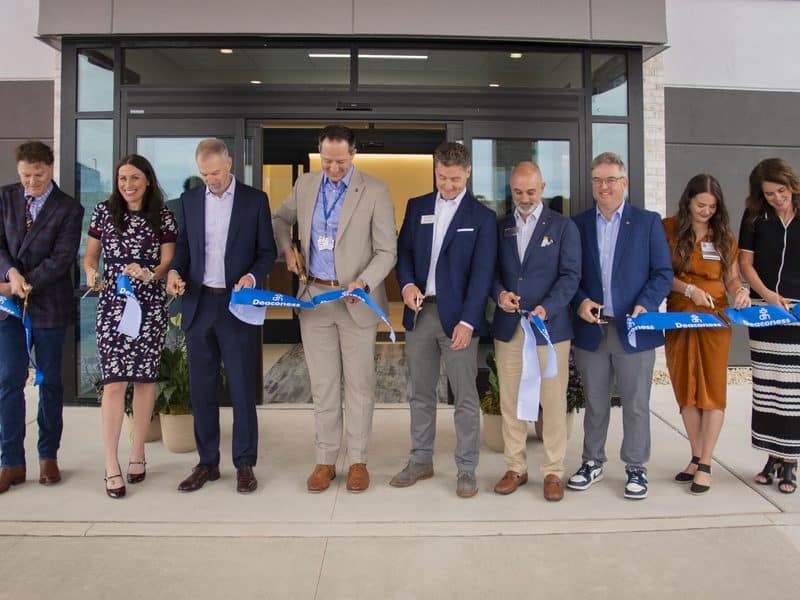
Deaconess combines emergency, urgent care at new Evansville facility
Deaconess has unveiled a first-of-its-kind Tri-State facility that combines emergency and urgent care under one roof, taking the guesswork out of where patients should go. See how the new East Side center will work, what services it will offer and why the model could affect patients’ bills.
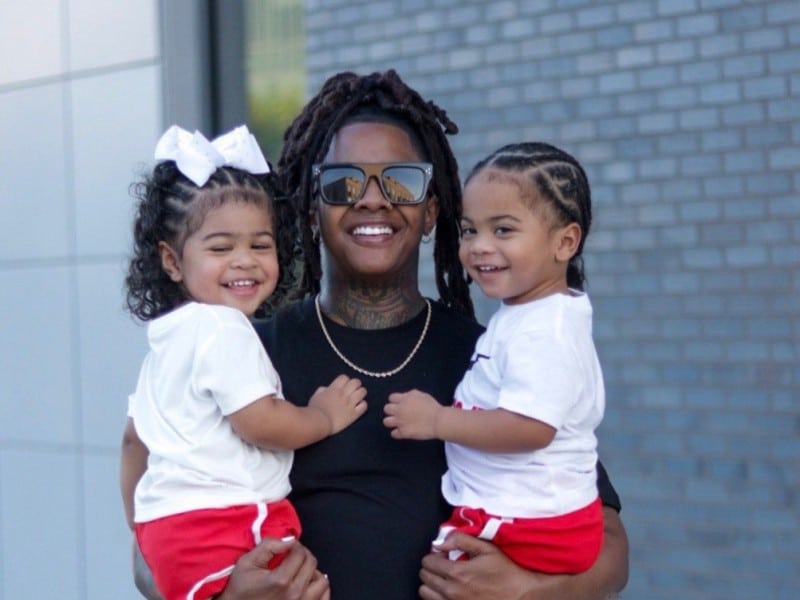
The motherhood Ree Quarels never imagined
What does it take to build a family when the path isn’t traditional? Evansville resident Ree Quarels shares her IVF journey, the challenges of access and information, and how her experience led her to help another woman achieve her dream of motherhood.
Alzheimer’s Disease: The Long Goodbye
Learn how lifestyle choices may reduce Alzheimer’s risk, how the disease is diagnosed, and why early diagnosis matters.