
New law gives families a stronger voice when child welfare systems fall short
For many families, a call or visit from the Department of Child Services isn’t routine—it’s life-changing, and when something goes wrong, too many are left with more questions than answers. A new Indiana law, signed April 22, aims to change that. House Enrolled Act 1307, authored by State Rep. Alex Burton of Evansville, strengthens oversight of DCS by requiring its independent ombudsman to investigate serious complaints involving a child’s safety and well-being.
For many families, a call or visit from the Department of Child Services isn’t just routine, it’s life changing. And when something goes wrong, too many say they’ve been left with more questions than answers. That’s the concern behind a new Indiana law signed yesterday, aimed at making sure families have somewhere to turn when they believe the system meant to protect children has failed them.
House Enrolled Act 1307, authored by State Rep. Alex Burton of Evansville, strengthens oversight of the Department of Child Services (DCS) by requiring its independent ombudsman to investigate serious complaints involving a child’s safety and well-being. “This legislation was a direct result of families in Evansville coming to me with similar concerns-feeling unheard and unprotected by the very system meant to help them,” Burton said during the bill’s ceremonial signing alongside Gov. Mike Braun on April 22nd. “With this law, families now have a stronger advocate in their corner.”
Before becoming law, the measure was known as House Bill 1307. It centers on the DCS Ombudsman’s Office-an independent body that reviews complaints from families, foster parents, and others navigating the child welfare system. In the past, many of the office’s actions—like investigating complaints or issuing recommendations—were optional. Now, they are not.
Under the new law, the ombudsman is required to:
- Investigate complaints alleging DCS failed to protect a child’s physical or mental health
- Review cases where the agency may not have followed its own policies
- Issue formal recommendations when problems are found
- Bring in independent experts and staff to strengthen oversight
- Use separate child protection teams when reviewing cases to avoid conflicts of interest
These changes are meant to ensure that concerns don’t sit unanswered, and that families aren’t left navigating the system alone.
Why this matters—especially for Black families
In Indiana, disparities in the child welfare system remain a persistent concern. Federal child welfare data shows Black children make up roughly 11% to 12% of the state’s child population but account for about 20% or more of those in foster care; nearly double their share. Advocates say those numbers reflect deeper issues, including economic inequality, reporting patterns, and long-standing concerns about bias in how cases are handled.
In communities like Evansville, where trust in institutions is shaped by lived experience, accountability isn’t just a policy issue, it’s personal. When families raise concerns about how cases are handled or whether children are adequately protected, they want to know that someone is listening, and that their concerns won’t be dismissed.
What the law does and does not do
The law does not overhaul DCS or create penalties for workers. It won’t guarantee outcomes in individual cases. But it does require something many families have been asking for: a formal process, an independent review, and a documented response when things go wrong. For Burton, the legislation is part of a broader effort to support young people across Indiana. “My aim is to cultivate Hoosier youth from birth through high school graduation,” he said. “This bill is just the start.”
Author

Related Articles
Evansville City Council Brief
Evansville City Council approved more than $3 million in community development funding this week, recognized the upcoming Juneteenth celebration, and heard public concerns over the city’s use of Flock license plate cameras.
Evansville City Council Brief
Evansville City Council moved through the agenda quickly at their last meeting, adopting a resolution to collaborate with EWSU on a solar project and recognizing June as Pride Month.
Mayor Terry Says Evansville Is “Building What Matters”
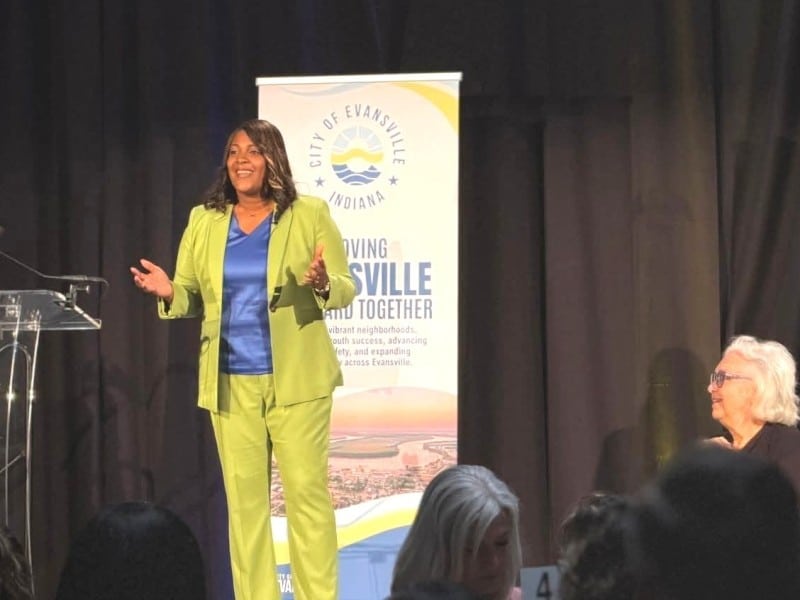
In her third State of the City address, Mayor Stephanie Terry framed Evansville’s future around population growth, housing, youth investment and quality of life — while acknowledging the financial and infrastructure challenges the city still faces.