
Childcare providers face strain under new voucher cuts
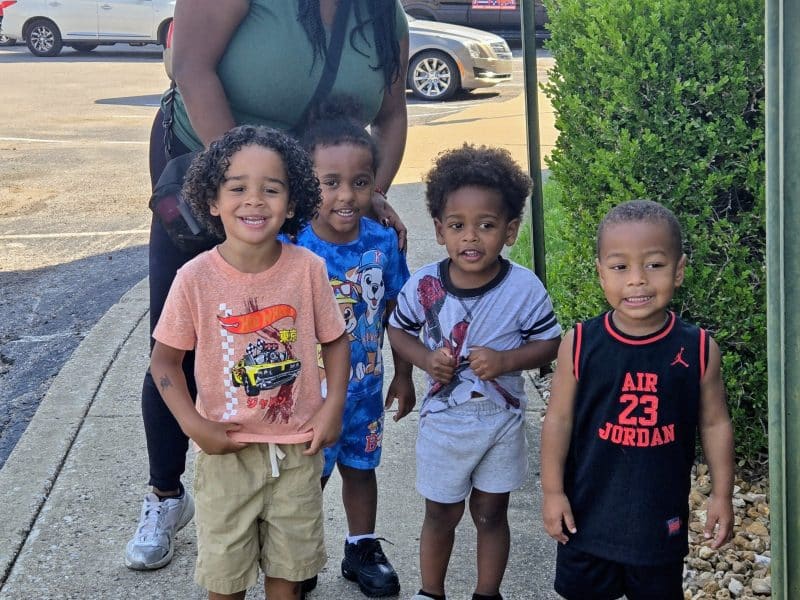
On September 4th, the Indiana Family and Social Services Administration’s Early Childhood and Out-of-School Learning (OECOSL) announced it will cut CCDF (Child Care Development Fund) voucher rates for children ages 0–12. The move is meant to address a projected $225 million shortfall by 2026.
CCDF is a federal program that helps low-income families pay for childcare so parents can work, attend school, or complete training. The new rate cuts are:
- Infants (0–12 months): 10% decrease
- Toddlers (13–36 months): 10% decrease
- Preschoolers (3–5 years): 15% decrease
- School-age children (K–12): 35% decrease
The shortfall stems from reimbursement rate increases made by the prior administration. Those increases were covered with temporary COVID relief funds, but no long-term funding strategy was put in place to sustain them.
Before the pandemic, an average of 35,000 children used CCDF vouchers. Today, that number is closer to 55,000. To soften the effect of the cuts and protect voucher access for families, the Governor and General Assembly allocated $147.25 million in 2025.
Provider Impact
In addition to supporting families, CCDF also directly affects the providers who deliver childcare services. With reduced reimbursement rates, many are bracing for financial strain, especially those serving pre-school and school-age children, where cuts were the highest.
Several local providers shared their perspectives on how the changes may affect their work and the families they serve:
“ We were given a 30-day notice that these cuts would be implemented. I already have families that work hard every day and cannot afford $10-20 per week co-pay. Now, I have to have a hard conversation with them because their fees are going to increase. I understand that people are struggling, and as a single mom myself, I am very compassionate and I want to provide the services, but I also must be able to run my business.”
-Tanasha Allison, Owner of Little Hopper Childcare
“For almost the past two years we have worked to secure funding to expand our childcare center-particularly for pre-k and school age youth. When working through pro formas and budgets to now have to go back and revise for 15-35% cuts is going to have a larger than expected negative impact. That impact will not only be felt in our revenue, but current and future staff, and our ability to serve some of the most vulnerable populations.”
-Memorial Community Development Corp staff: Serita Cabell, Shateka Bard, and April Cook
“We build our budgets before the school year starts — student capacity, fees, everything — and only after plans were in place did we learn about CCDF cuts of 10 to 15 percent. On My Way Pre-K has also been drastically cut; we normally serve 30 children through that program, and now it’s just three. These cuts left us at half our projected enrollment. Families are being asked to cover fees vouchers no longer pay, and many simply can’t. Nobody wins in this situation — not parents, not providers, and certainly not children. Early learning is too important to risk, and unless a solution is found, we stand to lose providers altogether.”
-Dorothy Beh, Director, Joshua Academy Pre-School
__________________________________________________________________________________
State Response
In the FSSA press release, Adam Alson, Director OECOSL, emphasized the decision to prioritize families over providers stating, “ We made this decision to protect the children and families that depend on CCDF vouchers. There is only one pot of money—we could either protect providers or kids, and we chose kids.” The agency also reaffirmed its commitment to strengthen Indiana’s early childhood system despite the adjustments that were made.
The Road Ahead
The state’s decision shields access to vouchers in the short term, but the voices of providers raise questions about whether families will truly be protected if higher costs are shifted to them.
Allison worries about hard conversations with parents who can’t afford even modest increases. Cabell, Bard, and Cook describe expansion plans now under threat. Beh warns that without solutions; providers may be forced out altogether. Their experiences underline a shared theme: while families may remain eligible for vouchers, both affordability and availability of high-quality care are at risk.
As of May 2025, nearly 59,400 children statewide were authorized for CCDF vouchers. The local eligibility office, Building Blocks, administers the program in Vanderburgh County. A request for the number of local families potentially affected was submitted, but no response was received before press time.
Author

Related Articles

Rotary Club honors Sondra Matthews with Civic Award
Sondra Matthews has spent decades telling Evansville’s stories, preserving Black history, mentoring leaders, and building institutions that continue to shape the community. Now, the Rotary Club of Evansville has honored her with its 2026 Civic Award—recognizing a legacy rooted in faith, service, and generations of impact.

More Than Remembrance: Evansville Honors the Life and Legacy of Dr. King
The community honored the life and legacy of Dr. King through various celebrations across the city of Evansville.
Indiana Senate Rejects Redistricting Plan After Intense Debate
Indiana Senate rejects redistricting plan.