
NOTE TO HEALTH SERIES: Why does physical activity matter?

BY NAACP EVANSVILLE BRANCH HEALTH COMMITTEE
What is the impact of regular physical activity on physical and mental well-being? As the CDC points out, “only a few lifestyle choices have as large an impact on your physical health as physical activity.”
How much physical activity?
You may have heard of the recommended 150 minutes of physical activity each week, which can be broken down into 30 minutes per day, five days per week. This can include brisk walking for those who are able. Mobility restrictions reduce the capacity for some. Sadly, there are still too many areas that lack safe, accessible spaces for walking, jogging, cycling, etc. (think sidewalks in your neighborhood: are they even there? If so, are they intact and level? Do they have curb ramps at the corners and other entry points? Are bike lanes designated and maintained, or are shared roadways truly shared?) For those with less capacity to walk or cannot walk at all, remember that SOME physical activity is better than none, and that more time moving and less time sitting, or stationary is a goal many of us can set and achieve.
WHAT ARE MEASURABLE BENEFITS OF PHYSICAL ACTIVITY?
Immediate benefits of physical activity like brisk walking include improved cognition or thinking for children 6-13 and short-term reduction in anxiety for adults. Participants also reduce their risk for depression and improve sleep quality. For those trying to maintain a healthier weight and reduce risk for high blood pressure and diabetes that can come from weight gain, physical activity plays an important role. For those wanting to lose weight, it’s going to take a SIGNIFICANT amount of physical activity unless they also adjust their eating patterns and reduce their calorie intake. Most of us won’t walk our way to weight loss without making additional changes in nutrition. However, even if the scales don’t change, regular physical activity improves blood pressure and cholesterol levels. Physical activity also cuts the risk for diabetes and “metabolic syndrome.” Metabolic syndrome is a combination of excess abdominal fat, high blood pressure, low HDL (“good” cholesterol), and high blood sugar.
Beyond metabolic regulation, regular activity can reduce the risk for infections, like pneumonia, influenza, and COVID. Regular physical activity even reduces the risk for multiple kinds of cancer including breast, colon, endometrium (lining of the uterus), and lung cancer. Weight-bearing exercise and strength-training improves both muscle tone and bone density and can reduce bone thinning over the years. Bone thinning, or osteoporosis, increases the risk for hip and vertebral fractures, particularly in seniors. Maintaining physical activity will reduce the risk of falls for seniors. Falls that result in hip fractures can have profoundly negative health consequences.
WHY 10,000 STEPS?
There’s been a lot of attention given to steps, particularly counting daily steps with some early evidence suggesting that those who get 10,000 steps each day (roughly five miles) most days, have substantial health benefits. The 10K idea has been around for years and was first introduced not based on science but as a catchy PR move by a Japanese pedometer company in the 1960’s. The idea being to offer a simple number that could provide a challenging yet achievable goal for many. So, yes, somebody’s been trying to sell us something. Science has not necessarily fully backed the PR about a specific number of steps but rather that getting more steps is achievable and positive for many, especially for those whose lifestyle may have been more sedentary.
Among recent findings, studies published in JAMA in 2022 show a 50% decrease in dementia risk associated with walking 9,800 steps per day. As Dr. John Jakicic of the KU Medical Center observes, “if we could put physical activity into a ‘pill,’ it would like be the most powerful medication we have across a variety of health conditions.” The good news is that many people already get 2,000-4,000 daily steps through their lifestyle and occupational routines. Adding on another 2,000-3,000 steps per day, about 30 minutes of walking, to get steps up to make a measurable difference in wellbeing.
A 2020 study by researchers at NIH and the CDC showed a 50% reduction in dying from any cause among those getting 8,000 daily steps compared with those taking 4,000 or fewer.
WHERE TO GO TO GET STEPS?
Not everyone lives in an area with walkable spaces. Indoor malls offer year-round options for many. And the growing walking/bike trail system across greater Evansville provides several options. For those looking for distance and scenery, consider the Riverfront trail, which is 1.5 miles long. Doing this trail round trip twice (or once in the morning, once in the evening, etc.) would easily get 10K steps. The North Main Street trail that runs from Division Street to Garvin Park is about 1 mile. Don’t forget to share the trail. Don’t forget to stay hydrated! Details on these and additional trails can be found at (https://www.walkbikeevv.org/trails).
SOMETHING IS BETTER THAN NOTHING
10K steps is achievable and useful for some but not realistic for everyone. But benefits from physical activity aren’t “ALL or NOTHING.” Those who can’t get 10,000 steps or 5,000 or maybe no steps at all without assistance can often benefit from doing what they can physically. Maybe it’s parking farther from the store entrance. Maybe it’s walking to the next bus stop. Maybe it’s a stretch and walk around the office suite every hour or so, or 15 minutes walking in the meal break. And for those with little or no mobility, if they can use their arms, doing some strength training, even doing reps with cans of soup, can improve strength, coordination, and independence. The bottom line, there is no medical treatment that beats regular physical activity, in whatever capacity we have, to boost physical and cognitive well-being and longevity. And the emotional benefits are real, too. So, the prescription is pretty much: as much as we can, glutes out of the chairs and in motion. When it comes to wellness for our bodies, it’s “Use it or lose it!”
SOURCES
1. “Number of steps per day more important than step intensity,” NIH Research Matters, 31 March 2020 at https://www.cdc.gov/physicalactivity/basics/pa-health/index.htm
2. “Why 10,000 steps and where did 10,000 come from?” JW Fitness, April 2023 at https://www.johnwarburtonfitness.co.uk/post/why-10000-steps-and-where-did-10000-come-from#:~:text=The%20recommendation%20to%20take%2010%2C000,named%20Yamasa%20Tokei%20Keiki%20Co.)
3. Hawes, K, “10,000 steps really might be the “magic pill” everyone is seeking,” University of Kansas Medical Center News, 6 December 2022 at (10,000 steps might really be the ‘magic pill’ everyone is seeking)
4. “Benefits of physical activity,” accessed at https://www.cdc.gov/physicalactivity/basics/pa-health/index.htm 28 April 2024
The NAACP’s policy recommendation to the federal government clearly states: “Guarantee that all people in the US can obtain physical, mental, and oral health care when they need it regardless of their coverage, employment, financial, or immigration status.” We at the Evansville Branch NAACP take this statement at face value. We recognize healthcare as a human right. We see that we fall short of that aspiration, and we will continue to promote awareness of health disparities and insist on sustained systemic change to eliminate those disparities.
Please submit any feedback or questions you’d like to have addressed in future columns to tlstratton2009@yahoo.com.
Related Articles

The Village We’ve Become
Five years ago, Mental Health Matters set out to break the silence around mental health. Today, “The Village We’ve Become” reveals a community transformed—one where grief, recovery, youth voices, and shared courage converge to prove that healing does not happen alone.
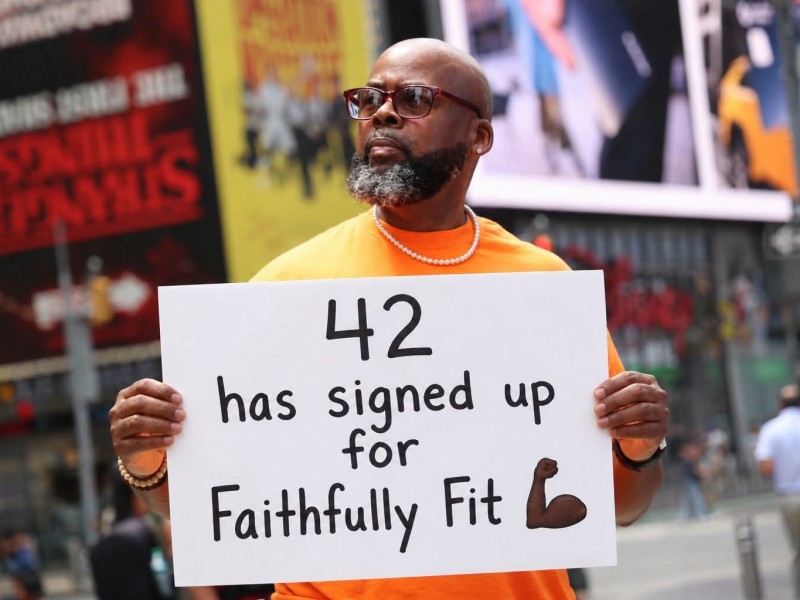
Faithfully Fit program to launch this summer at Memorial Baptist Church
Greg Dillard launched Faithfully Fit, a four-session health and wellness series intended to help participants gain the skills to improve their health and wellness. Memorial Baptist Church is the host and registration is required.

Black Business Spotlight:
After overcoming his own health struggles, Isaiah Baker turned his personal wellness journey into a growing business focused on providing healthier drink options for the community. Through Baker’s Earth Juice, he hopes to encourage better eating habits, increase access to fresh products, and help shift the culture around health and wellness.