
Councilor Carothers Resigns Amid Legal Battles Over Eligibility
Fourth Ward City Councilor Tanisha Carothers has resigned from the Evansville City Council, bringing an end to a short but impactful period of service amid ongoing legal challenges.

By Paola Marizna
Editor’s Note:
Our Times Newspaper is committed to covering stories that affect our community with accuracy, fairness, and context-even when those stories are difficult. Our reporting on former Fourth Ward Councilor Tanisha Carothers is based on verifiable public records and our responsibility to inform the public about local governance.
As a Black-owned publication, we approach these stories with care and cultural awareness, mindful of the historical imbalance in how Black public officials are often portrayed. At the same time, accountability and transparency remain central to our work. This coverage examines a process and its impact on the community, not the character of an individual.
Fourth Ward City Councilor Tanisha Carothers has resigned from the Evansville City Council, bringing an end to a short but impactful period of service amid ongoing legal challenges.
Carothers’ resignation, effective December 12, follows months of scrutiny over her eligibility to hold the seat she was appointed to in late 2024. While the legal questions surrounding her residency remain active, her departure also ends a tenure in which she sought to bring her background as an attorney and community advocate into local government.
Carothers, an attorney and Democrat who was appointed by a local caucus to fill a vacancy on the council in November 2024, maintained her innocence throughout the ongoing legal disputes. In a statement issued with her resignation, she said she is stepping down to refocus her energy on community work outside the “noise, tactics, or barriers of politics.”
“I entered public office to work for people, not to participate in a political machine,” Carothers said. “After much thought and prayer, I have made the difficult decision to resign from my position on the Evansville City Council serving the Fourth Ward, effective immediately. My focus now returns to the work I have devoted more than twenty years of my life to, advocating for families, supporting underserved communities, and creating meaningful impact without the noise, tactics, or barriers of politics.”
City Council leadership confirmed receipt of her resignation and said normal council business will continue as the process to select her successor begins. A caucus to identify a new Fourth Ward representative is expected in the coming weeks.
Legal Battles That Led to Resignation
Carothers’ resignation follows months of legal and political scrutiny tied to questions about whether she met residency requirements to hold the Fourth Ward seat. Under Indiana law, city council members must have lived within city limits for at least one year and within their ward for six months prior to an election or appointment.
In early 2025, Carothers was charged with a Level 6 felony fraud count and a Class A misdemeanor related to allegations that she misrepresented her residency when filing her declaration of candidacy. She pleaded not guilty and has consistently denied wrongdoing, maintaining that she met the legal requirements and that the case was politically motivated. Her criminal case remains active, with a change of plea hearing scheduled for January 14, 2026. Carothers’ resignation from the council does not resolve or dismiss those charges.
Alongside the criminal case, a civil quo warranto lawsuit was filed seeking her removal from office, arguing she was not legally eligible to serve at the time of her appointment. That case drew attention to the way Carothers assumed the seat through a party caucus rather than a general election. Because caucus appointments bypass the traditional election board review process, questions about eligibility were not formally vetted before she took office. Critics have pointed to this gap as a contributing factor to the situation, raising broader concerns about transparency and safeguards in the caucus system.
Carothers was also named in a separate small claims case unrelated to the residency dispute. While that case added to the overall pressure surrounding her tenure, the central controversy focused on whether the caucus process adequately ensured she met statutory qualifications to represent the Fourth Ward.
Taken together, the cases have highlighted not only Carothers’ individual circumstances but also structural issues in how local appointments are handled, prompting renewed discussion about accountability, oversight, and public trust in municipal governance.
What Happens Next
With Carothers’ resignation now official, the Fourth Ward seat on the Evansville City Council is vacant. Council leadership has indicated that a caucus will be held to identify a replacement, and the council will continue its legislative duties in the meantime.
As the legal case continues and the Fourth Ward moves toward new representation, this situation reveals the complexities of local politics, where questions of individual responsibility, party process, and institutional oversight do not always align, and where the consequences are felt by the community.
Our Times Newspaper will continue following updates on the legal proceedings and the process to fill the Fourth Ward council seat.
Related Articles
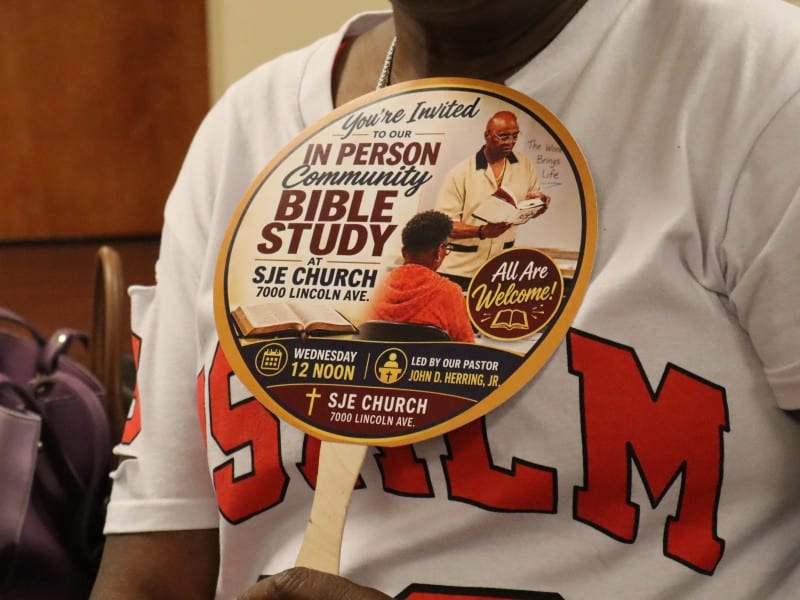
Different Churches, One Community: Evansville Bible Study Unites Believers
Across Evansville and Kentucky, religious believers from different churches and denominations are finding common ground through a weekly Bible study at St. John’s East.

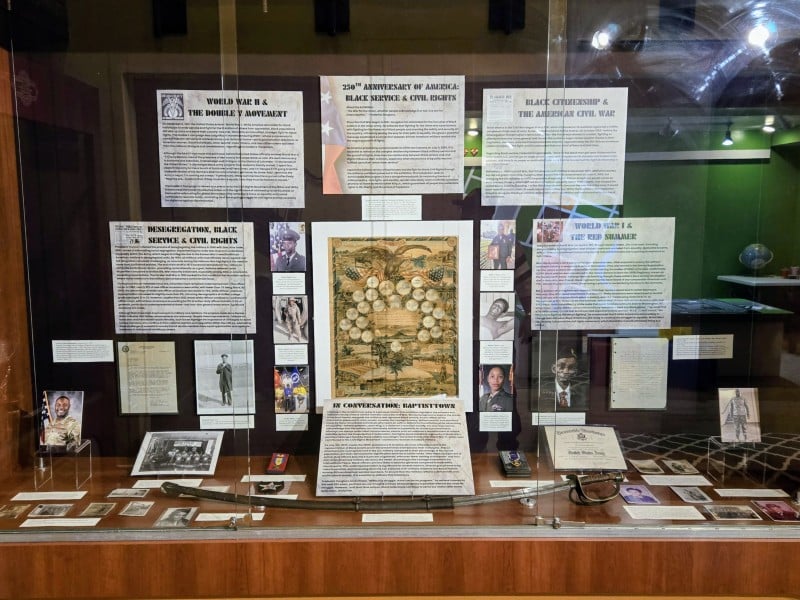
EAAM’s Colour of Humanity Gala to reflect on Black leadership, service in America’s 250th Year
America’s 250th anniversary is an opportunity not only to celebrate independence, but also to recognize Black Americans who defended the country-even during periods when they were denied many of the rights and opportunities they were serving to protect.