American History’s Long, Dark Shadow
The effort to rescind the medals remains ongoing, supported by Native organizations and allies who continue to press for recognition and accountability.
By Rodney Richardson
American history casts a long, dark shadow over a past full of injustice and oppression — marked by a bloody trail of inexcusable acts of violence that continue to shape today’s political and social climate. There are countless tragic episodes of violations against minority Americans that still echo through time, pushing our country backward to eras when white-dominated law ruled every aspect of life.
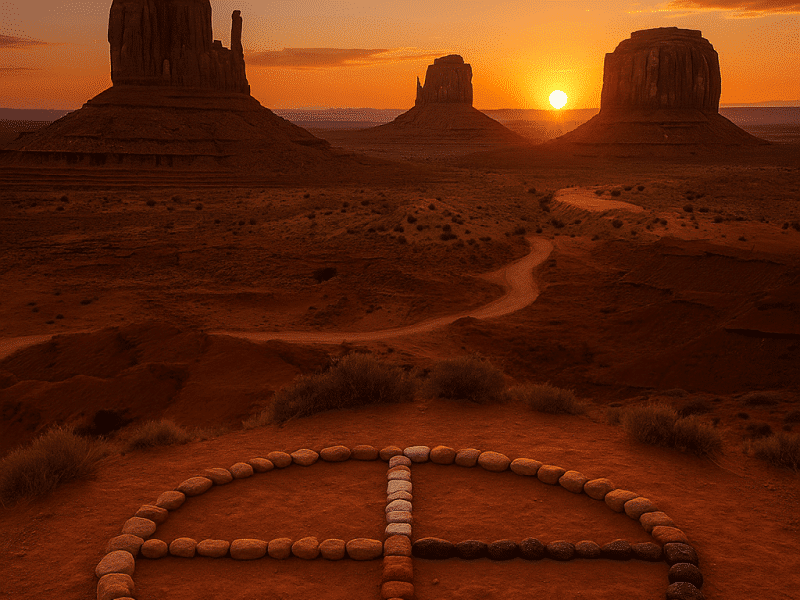
One of the bloodiest massacres of Native Americans took place on December 29, 1890, at Wounded Knee, South Dakota. U.S. soldiers of the 7th Cavalry surrounded an encampment of about 300 Lakota people, keeping watch due to reports that the tribe was performing the Ghost Dance, a ceremony rooted in their spiritual traditions. Officials in Washington, D.C. feared the dance might inspire an uprising.
When the soldiers entered the camp, they assured the Lakota that no harm would come to them if they surrendered their rifles. Hoping to protect their people, the tribe complied, believing peace would follow.
Later that day, as the Lakota continued their Ghost Dance — which involved chanting and prayer — the soldiers panicked and opened fire, even though the tribe had already surrendered their weapons. The attack killed nearly all 300 Lakota, mostly women, children, and elderly men. Their bodies lay frozen in the South Dakota snow before being gathered and buried in a mass grave.
Across the nation, many condemned the massacre as an atrocity. Nevertheless, 20 U.S. soldiers were awarded the Medal of Honor, despite many having died under friendly fire during the assault. For years, Native leaders and members of Congress have worked to right this wrong through legislation known as the “Remove the Stain Act,” which would revoke those medals and formally acknowledge the injustice.
Senator Elizabeth Warren (D–MA) said in support of the bill:
“Congress must recognize how shameful this massacre was and take an important step toward justice for the Lakota people.”
Senator Jeff Merkley (D–OR) added:
“We must acknowledge our history and take concrete steps to right historic wrongs from America’s darkest chapters. This horrific injustice is not deserving of our nation’s highest award for military valor, and our long-overdue bill helps finally set the record straight.”
The effort to rescind the medals remains ongoing, supported by Native organizations and allies who continue to press for recognition and accountability.
Wounded Knee stands as a reminder of the immense cost of fear, prejudice, and unchecked power — and of the unfinished work of justice that America must still confront.
Author

Related Articles
Indian Country remembers Rev. Jesse Jackson Sr.
Rev. Jesse Jackson Sr., who shared ancestry with the Cherokees was actively involved in tribal communities as an advocate for Indigenous rights. He is remembered and honored for his presence, interactions, and strong support of every issue American Indians stood for and fought for.
Black workers at risk; AI tech revolution fueling new threat
MIT released a study last year that found that AI can already replace
11.7% of the US labor market. The study utilized a labor simulation
tool called the Iceberg Index, which models 151 million US workers and
measures how AI overlaps with skills in each occupation.
Are we repeating history?
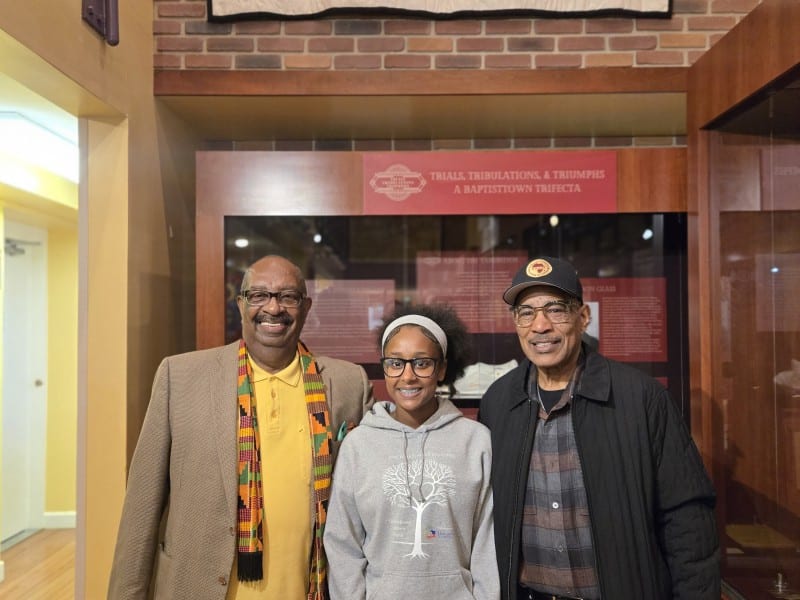
The youngest freedom rider, Hezekiah Watkins shared his story of activism at Bosse High School in Evansville. This is a student reflection.