
One Big Beautiful Bill Meets Local Reality
In an interview with Ely Sena-Martin, we learn the impact of the Big Beautiful Bill on local immigrants and New Americans.

An interview with Elisabet Sena-Martin highlights how new immigration fees and policies effect families in Evansville
By Tess Bell
Our Times Youth Journalist
H.R. 1: The “One Big Beautiful Bill” which was enacted this summer, has a large effect on immigration. The changes include new fees for immigration applicants and billions for enforcement funding. Families, asylum seekers, and immigrants face higher financial hurdles, while enforcement agencies receive unprecedented resources.
To understand what these changes mean locally, I spoke with Elisabet Sena-Martin, executive director of the Immigrant Welcome and Resource Center in Evansville. This center is a local nonprofit that serves as a community partner and an advocate for immigrants and new Americans. They often partner with agencies to help with immigration-related issues, offer after-school youth programs, and celebrations to invite and meet people from foreign nations.
“We have to help people understand their individual rights, and we have to get people organized to stand up for individual rights that we’re losing, and to understand the changes and how they’re going to impact all of us if we are not fighting for democracy,” says Sena-Martin.
According to Martin, the resource center has dealt with several people who must adjust their status due to new policy changes from H.R. 1. With the threat of temporary protected status (TPS) ending, many citizens are afraid and feel like they must decide what to do to remain in the country legally. “Many have been told they do not have a good enough case for asylum,” says Sena-Martin. “Unless they’re able to pay for another legal immigration status, they’re going to lose.” Funding for an attorney is another barrier. “Finding the funds for an attorney on top of the thousands of dollars of new fees the bill is bringing is nearly impossible for these families,” she said.
One woman, an attorney from Ukraine, is now expected to be denied entry to the U.S. because she does not meet the requirements, even though Ukraine remains a war-torn country. Sena-Martin says, “It almost feels like you have to prove that you were being personally persecuted.”
When discussing immigrants from Venezuela, she says they are facing the same issue. “There’s no medicine, no schools, no places to work, not enough food, but that’s not good enough to make a case for asylum.” She also says that some attorneys are currently refusing to start asylum cases due to the extremely low rate of them winning.
These challenges are not just on paper — Sena-Martin says she already sees fewer immigrants in Evansville as families weigh the risks of applying under the new rules. When asked if there are any community programs to help with all the added fees, the answer was no. “Access to community-based, less expensive legal fees are becoming… a basic need for some families.”
We then discussed concerns about running a nonprofit for immigrants, like the Immigrant Welcome and Resource Center. “The administration and leadership in federal government and state government for Indiana does not want to help people,” she says. “They want to make more people deportable so they can be removed… the whole framework is different.”
For Sena-Martin, the stakes are clear: without affordable legal help and fairer pathways, she fears more families will slip into the shadows. “It’s about whether families feel safe, whether they can stay, and whether our community continues to be a place where immigrants are welcome,” she said.
Sidebar: What H.R. 1 Changes for Immigration
Immigration is more expensive, harder to access, and more heavily enforced. Families face rising costs, while enforcement agencies expand capacity.
New Costs for Families
- $100 fee for asylum applications (plus $100 each year pending).
- $1,000 fee for parole (with limited exceptions).
- Work permits: $550 initial (was $470–520), $275 renewals.
- $250 fee for Special Immigrant Juvenile Status (was free).
Higher Court & Appeals Fees
- $1,500 for green card applications in immigration court.
- $900 to appeal a judge’s decision (up from $110).
- $600–$1,500 for cancellations/suspensions (was $130).
Tougher Penalties
- $5,000 fine for missing immigration court.
- $5,000 fine if caught between ports of entry (was $50–250).
Billions for Enforcement
- $29 billion for ICE (detention, deportations, staffing).
- $2 billion for DHS removals, screenings, surveillance.
- $3 billion for DOJ immigration courts to speed cases.
Author

Related Articles
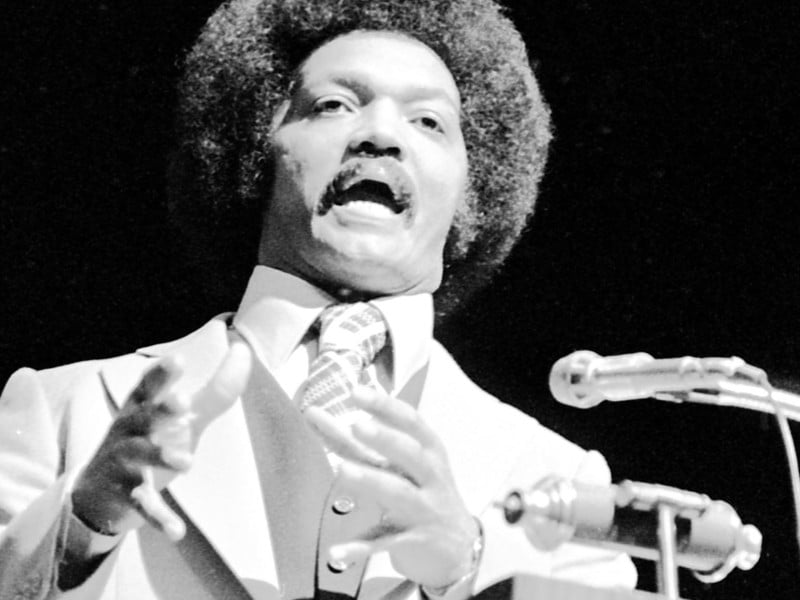
Keep Hope Alive: The Legacy That Lives Here
Rev. Jesse Jackson emerged as one of the most influential political voices of the late 20th century, helping reshape national politics through voter mobilization and coalition-building. In 1977 he visited Evansville. Community members shared their memories and the impact he had on their lives.

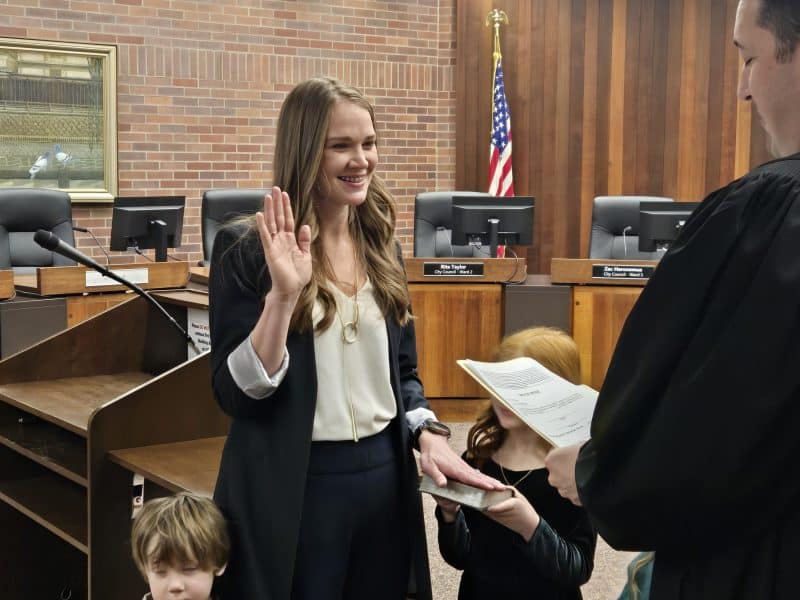
Kendra Hatfield begins term representing Evansville’s Fourth Ward
The Vanderburgh County Democratic Party selected Kendra Hatfield to serve as the new Evansville City Council representative for the Fourth Ward following a caucus held Saturday morning at party headquarters.