
Micah’s Call: More Than a Motto
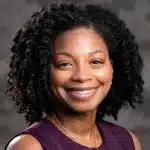
By Rev. Dr. Arlicia Biggers-Dotson
First, Let’s Deal with the Prophetic Question:
Today we stand in the tension between a world governed by unjust policies and a faith that demands righteous action. Micah asks a potent question: What does the Lord require of us? Notice what he DID NOT ask. He neither asked what our government requires nor did he ask what capitalism demands. Micah asks what God, the Creator of the universe, call us to? The answer is loud and clear: Do justice. Love kindness. Walk humbly. Can I be honest? Doing justice is not always neat, easy, or clean. It means confronting powerful people, systems, schools of thought, etc. It means speaking the truth that makes people uncomfortable, and that chooses solidarity over silence.
Now, Let’s Expose the Injustice: 47’s “Big Beautiful Bill”:
We cannot talk about justice without naming injustice. A piece of legislation was signed into law—marketed as a “Big Beautiful Bill” promising tax relief and prosperity. Yet, let’s take a closer look. This bill cuts over a trillion dollars from Medicaid. It imposes work requirements on the poor. It completely guts food assistance programs like SNAP while reducing access to Medicare and healthcare support on which elders rely.
According to the Center on Budget and Policy Priorities (CBPP), these cuts could leave more than 15 million low-income Americans without health care coverage. Nearly 60% of African American Medicaid enrollees are adults under 65 who are disproportionately harmed by such legislation. Meanwhile, over 4 million African American seniors rely on Medicare and Medicaid as a life source. It sounds like fiscal policy, but THIS is spiritual warfare because anything that strips dignity, health, sustenance, or any daily necessities from God’s people is an affront to the Kingdom of God. Who suffers the most from this type of legislation? African Americans and African American seniors. The very ones who carried the Civil Rights Movement on their backs. The very ones who raised our communities while being paid less, being denied access, and being pushed aside. Now they are being told: “We can no longer afford to care for you.” Dr. Cornel West reminds us: “Justice is what love looks like in public.” This bill reveals just how loveless our politics and polity can be.
There Are Biblical Parallels of Prophetic Resistance
Like Isaiah and Amos, Micah was speaking to a society where the rich got richer while the poor were trampled! He was calling out corrupt systems, greedy rulers, and religious leaders complicit in oppression. Isaiah 10:1-2 (NIV) says, “Woe to those who make unjust laws, to those who issue oppressive decrees, to deprive the poor of their rights and withhold justice from the oppressed of my people, making widows their prey and robbing the fatherless.” Doesn’t that sound like today? As a matter of fact, that sounds just like this “Big Beautiful Bill.” Dr. James H. Cone, the father of Black Liberation Theology, once said: “The gospel of Jesus is not a rational concept to be explained in a theory of justice but a story about God’s presence in Jesus’ solidarity with the oppressed.” If we are going to walk with Jesus, we HAVE TO walk WITH the oppressed! The prophetic tradition isn’t dead. We come from a lineage of people who do justice. Harriet Tubman did it! Fannie Lou Hamer did it! Ida B. Wells did it! Sojourner Truth, Dorothy Height, Claudette Colvin, and Constance Baker Motley did it! Minnie Lou Caviness Johnson & Mae Bertha Biggers, my grandmothers did it! Your grandmamas and deacons of old did it! And now it’s OUR turn!
What Does It Mean to DO Justice?
Justice IS Not Charity. It’s Equity.
Doing justice is not about handing out leftovers. It’s about making sure everyone gets a seat at the table. It’s about rewriting policies, shifting power, and standing in the gap.
Justice Is Active, Not Passive.
Micah didn’t say “love justice” or “hope for justice.” He said do justice. That’s a verb. And we know verbs are action words. This means:
- Calling your representatives.
- Protecting voting rights.
- Helping people get fed, housed, and/or educated.
As Dr. Martin Luther King Jr. said, “True compassion is more than flinging a coin to a beggar. It comes to see that an edifice which produces beggars needs restructuring.”
Reimagining God’s Kingdom
In God’s Kingdom:
- Elders are honored, not cut off!
- The sick are healed, not billed!
- The hungry are fed, not fined!
We must ask ourselves: If the policies do not reflect the values of the Kingdom, are they worthy of our support?
So, What Is Our Call to Action? We Must View Justice as a Spiritual Discipline
Micah 6:8 is not just a social justice slogan—it’s a spiritual discipline just like prayer, fasting, and meditation/sitting in stillness. You CANNOT claim to walk humbly with God and ignore the cries of the oppressed!
So, I have some reflective questions to ask you:
- Will your faith be performative or prophetic?
- Will your prayers challenge systems or just comfort your soul?
- Will your church be a sanctuary for the comfortable or a storm for the unjust?
A Prophetic Benediction
Let us be a people who:
- Speak up when bills are passed that harm our elders, our youth, and the less fortunate!
- Vote our faith, not our fear!
- Teach our children the truth about justice, not the lie of prosperity at all costs!
As Howard Thurman said: “Don’t ask what the world needs. Ask what makes you come alive, and go do it. Because what the world needs is people who have come alive.”
Author
Related Articles
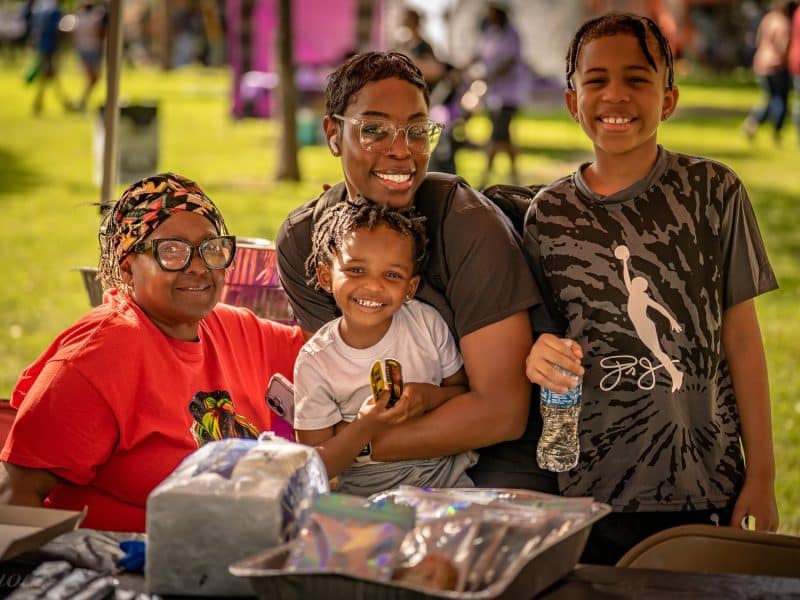
Freedom Remembered, Community Celebrated: Juneteenth Across the Tri-State
Across the Tri-State, Juneteenth brought neighbors together in a shared celebration of freedom, history, and community—reminding us that unity is one of freedom’s greatest legacies.

Acclaimed Atlanta author to feature as Guest Speaker for BIPOC Comic Celebration
Young comic fans will get a chance to explore heroes, origin stories, and imagination through a cultural lens as acclaimed Black speculative fiction author Milton J. Davis headlines Evansville’s first BIPOC Comic Celebration.

“We Are Seen”: Women’s Dust Bowl Creates New Legacy in Evansville
Evansville’s Dust Bowl Tournament is making history with the addition of women’s basketball. Read how local athletes and organizers are building a new legacy of competition, community, and visibility.