
Rising Bills, Fraying Trust: Evansville’s Electricity Crisis
Electric bills for Evansville residents continue to grow. At a recent town hall, State Rep Alex Burton shares a plan and hear community concerns.
By Paola Marizan
If you live in Evansville, you’ve likely seen your electric bills climb higher than ever. For many households, the summer 2025 billing cycle felt like a breaking point; bills jumped 20–30%, and people are struggling to make sense of why.
Local news outlets and resident forums have chronicled the frustration. In Evansville, business owners and families alike report sudden spikes: “I paid $380 last month, $781 this month,” said one local restaurant owner whose sign protesting the bills went viral.
“Yep, my house got one of these high bills; it was literally double the amount I normally pay in the summer,” said Charlie, a Reddit user. “Now I’m scared because winter will be here soon, and this is just electric. If I kick on the gas for my 51-year-old furnace that I can’t afford to replace…”
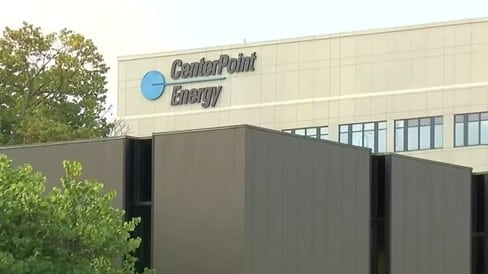
Some of the sharp increases stem from a recent rate case before the Indiana Utility Regulatory Commission (IURC). In December 2023, CenterPoint filed to hike rates and restructure how costs are allocated across users. For an average residential user (799 kWh), the approved increases include a base rate jump of about $35/month.
Because CenterPoint’s system gives customers no alternative provider, many feel trapped. That dynamic is fueling rising tension: activists, city officials, and residents are now demanding not just explanations, but accountability and change.
To put it in perspective, CenterPoint is one of five investor-owned electric utilities in Indiana, each operating as a regulated monopoly within its territory. In some recent analyses, CenterPoint has been shown to have among the highest rates of any state-regulated utility. One report by the Citizens Action Coalition found that CenterPoint’s customer bills rose approximately $44 per month—about 25%—in just one year.
Still, CenterPoint has defended its practices. In a corporate statement, the company said it has “heard our customers’ concerns about energy affordability and the recent rate changes … we continue constructive dialogue with customers, community and business leaders to explore solutions that support those we serve.”
Burton’s Town Hall Puts Utility Crisis in the Spotlight
On September 17, 2025, State Representative Alex Burton held a packed town hall at Potter’s Wheel Evansville to give residents a platform to air grievances and hear a plan.
Burton told residents: “Our utility bills are impacting our entire economy, and we have to do something different.”
One major reform he floated: adding a resident seat to the Indiana Utility Regulatory Commission (IURC) or related utility oversight boards—someone from Southwest Indiana who knows firsthand what residents face.
The IURC is a five-member commission that regulates utilities across Indiana. Commissioners are appointed by the governor from a list of nominees and confirmed by the state Senate. In theory, the commission is meant to protect ratepayers in a system without competition, but critics argue the process leans toward utility interests.
“This certainly is not the end of the conversation,” Burton added. “We have to address our utility bills. It’s top of mind for me … I’m working with my colleagues to make sure relief happens for Southwest Indiana.”
Still, many in the room pushed back. Without strong enforcement and transparency, some said, even board appointments might not shift the balance of power.
Anger Spills Online
Frustration has spilled online, too. In the public Facebook group DAACE // Direct Action Against CenterPoint Energy (Southern IN), members compare bills, brainstorm protest tactics, and call for grassroots organizing.
Julie Lawson, an Evansville resident, wrote: “It’s not all about the actual usage rates. Yes, they’re high, but it’s all the added-on fees that are heavily burdening families. Fuel adjustments, distribution fees, surcharges—they’re using loopholes to pile on more charges.”
Others compare their bills with those across state lines. “I calculated $0.28 per kilowatt here,” said resident Adam Dare. “My family in Illinois pays $0.14. Henderson, Kentucky, just across the river, is $0.11. It’s ridiculous.”
What’s Driving the Increases: Beyond Usage
Much of the frustration comes down to how costs are distributed. Fixed facility charges tied to infrastructure and maintenance were restructured in the rate case, shifting more of the burden onto residential customers. That means households are now paying steeper base charges even before flipping on a single light switch.
On top of that, CenterPoint continues to fund grid upgrades—everything from power line expansion to substation repairs—through a Transmission, Distribution, and Storage Improvement Charge (TDSIC) tracker. These projects, while necessary, are passed directly to customers.
Then, on Monday, CenterPoint unveiled a record-setting $65 billion investment plan stretching through 2035. The company said the funds would primarily serve fast-growing markets in Texas, where electricity demand is expected to nearly double by the middle of the next decade. CEO Jason Wells framed the move as “customer-driven,” promising resilience and reliability across its six service territories.
For Evansville residents, the news was a gut punch. While Houston and coastal markets stand to gain, locals are left questioning whether massive capital projects elsewhere will translate into relief at home—where bills are already straining household budgets.
Life Under the Burden
These rising bills don’t just hurt wallets; they force hard trade-offs. Single-parent households are skipping medical visits, seniors are cutting heat in winter, and small businesses are shortening hours.
Some business owners have staged bold protests. One restaurant displayed a sign outside bemoaning that it must now sell far more just to cover the electricity cost. A local arcade bar pledged a “blackout evening,” turning off non-essential power in protest.
In the community, talk of energy assistance programs, sliding-scale billing, and relief funds is growing louder. Many want more clarity on who qualifies and how those safety nets work—or don’t.
What This Series Will Explore
This is just the opening story. In the coming installments, we’ll dig deeper into what it would actually take to bring in a new utility provider or change how regulation works in Indiana. We’ll look at who sits on the boards that oversee utilities, how those appointments are made, and what it would take to make the process more transparent. And we’ll explore the resources and safety nets available to residents now, why some fall short, and how they might be strengthened.
For now, Evansville residents are clear: the crisis isn’t abstract. It’s reshaping daily life, and as winter approaches, the stakes are only getting higher.
Have you been impacted by rising utility bills? We want to hear from you. Share your story with us at ourtimesnews@memorialcdc.org. Your voice could help shape future reporting and keep this conversation moving forward.
Related Articles
Kendra Hatfield begins term representing Evansville’s Fourth Ward
The Vanderburgh County Democratic Party selected Kendra Hatfield to serve as the new Evansville City Council representative for the Fourth Ward following a caucus held Saturday morning at party headquarters.


Beyond the Town Hall: Ted Brown’s Role in Expanding Disability Employment
Last September, the Indiana Statewide Independent Living Council (INSILC) hosted a disability town hall meeting where Ted Brown shared an inspiring story.