
Community Still Seeking Answers After Fatal Police Shooting of Everett Nunn
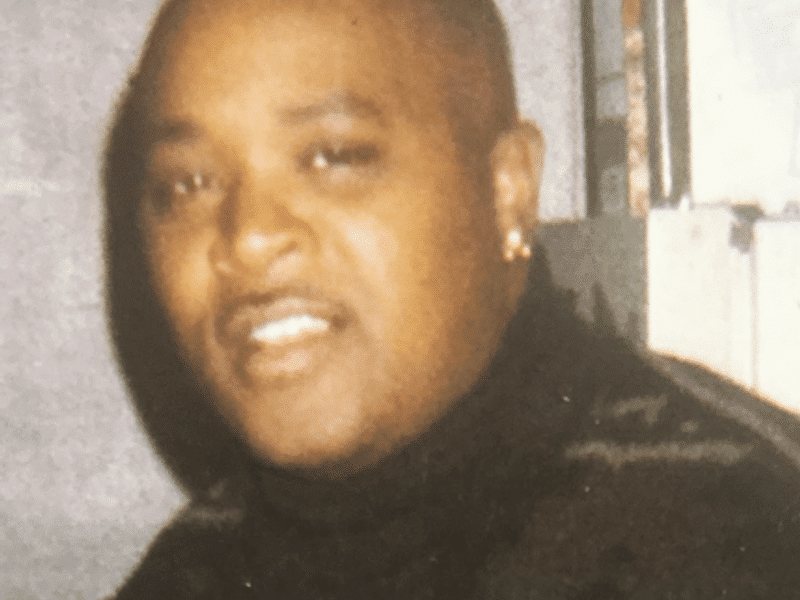
Two weeks after the fatal police shooting of Everett M. Nunn, Evansville residents continue to push for clarity, accountability, and an investigation that extends beyond local oversight alone.
By Rasheedah Ajibade
Two weeks after the fatal police shooting of Everett M. Nunn, Evansville residents continue to push for clarity, accountability, and an investigation that extends beyond local oversight alone. New developments, including the identification of the officer who fired the shots, Nunn’s December 3rd funeral, and a tense Police Merit Commission meeting on December 9th, have only deepened the community’s demand for an independent review of the incident.
Officer Identified as Investigation Continues
The Evansville Police Department publicly identified Officer Nicholas Helfert as the officer who shot and killed Nunn on November 22nd after responding to a domestic disturbance call on East Louisiana Street. Helfert, an EPD officer since 2021, previously served two years with the Vanderburgh County Sheriff’s Office.
EPD has stated that two investigations are underway:
- a criminal investigation conducted by EPD and reviewed by the Vanderburgh County Prosecutor’s Office, and
- an internal administrative investigation that will ultimately be reviewed by the Police Merit Commission.
A Family in Mourning
Nunn, an Evansville native, father, grandfather, longtime barber, and business owner—was buried on December 3rd. His death, just days before the Thanksgiving holiday, has weighed heavily on those who knew him.
David Simmons, his eldest son, spoke to the Police Merit Commission on Tuesday, asking officials to recognize the human impact of the investigation process. “We lost our father right before the holidays,” Simmons said. “We’re just asking for accountability and for someone outside the department to look at what happened. We need to be able to trust that this process is fair.”
Community Voices Demand Transparency
The Evansville Police Merit Commission is the civilian body responsible for hiring officers and imposing discipline up to termination. The meeting on December 9th drew a large crowd, including Nunn’s family and supporters.
Although the investigation remains incomplete and the commission could not discuss specific findings, the board opened the floor for public comment. Residents used the opportunity to raise concerns about police procedures, transparency, and the need for independent oversight.
Several speakers emphasized the emotional trauma endured by Nunn’s family, including his children who were present during the shooting. Others questioned the department’s approach to domestic violence calls, noting that widely available training stresses the importance of waiting for backup to prevent escalation. One resident summarized the shared concern succinctly: without an outside investigation, the community cannot feel confident in the outcome.
Merit Commission Cancels Upcoming Meeting
At the conclusion of the meeting, the commission voted to cancel its December 22nd session, leaving community members uncertain about when the next public update might occur.
A City Waiting for Answers
As both the criminal and internal investigations continue, Nunn’s family says they will pursue their own independent review. Many in attendance echoed their call for greater transparency, arguing that community trust depends on it. Evansville is grieving, but it is also watching, asking, and insisting that this process lead to meaningful accountability.
How the Investigation Works
Criminal Investigation
- Led by EPD’s Adult Investigations Unit and reviewed by the Vanderburgh County Prosecutor’s Office.
- Evidence is collected from all parties.
- The officer, as the subject of the investigation, cannot be compelled to give a statement.
Internal Investigation
- Conducted by the officer’s chain of command and reviewed by Internal Affairs.
- The officer must provide a compelled statement, protected under Garrity v. New Jersey.
- Investigators determine whether the officer’s actions were objectively reasonable under Graham v. Connor.
Role of the Police Merit Commission
- A civilian board that oversees hiring, discipline, and termination.
- Reviews findings once the internal investigation is complete.
Critical-Incident Protocol
- In fatal or serious use-of-force cases, the officer is placed on three days of administrative leave,
- Must undergo drug/alcohol testing, and
- Must complete a mental health evaluation before returning to duty.
Author

Related Articles

More Than Remembrance: Evansville Honors the Life and Legacy of Dr. King
The community honored the life and legacy of Dr. King through various celebrations across the city of Evansville.

Indiana Senate Rejects Redistricting Plan After Intense Debate
Indiana Senate rejects redistricting plan.

Michael Johnson Elected President of Owensboro-Daviess County NAACP
Evangelist Michael Johnson has been elected president of the Owensboro-Daviess County NAACP, Chapter #3107. He succeeds Rhondalyn Randolph.